Understanding Vinyl Plank Flooring
What is Vinyl Plank Flooring?
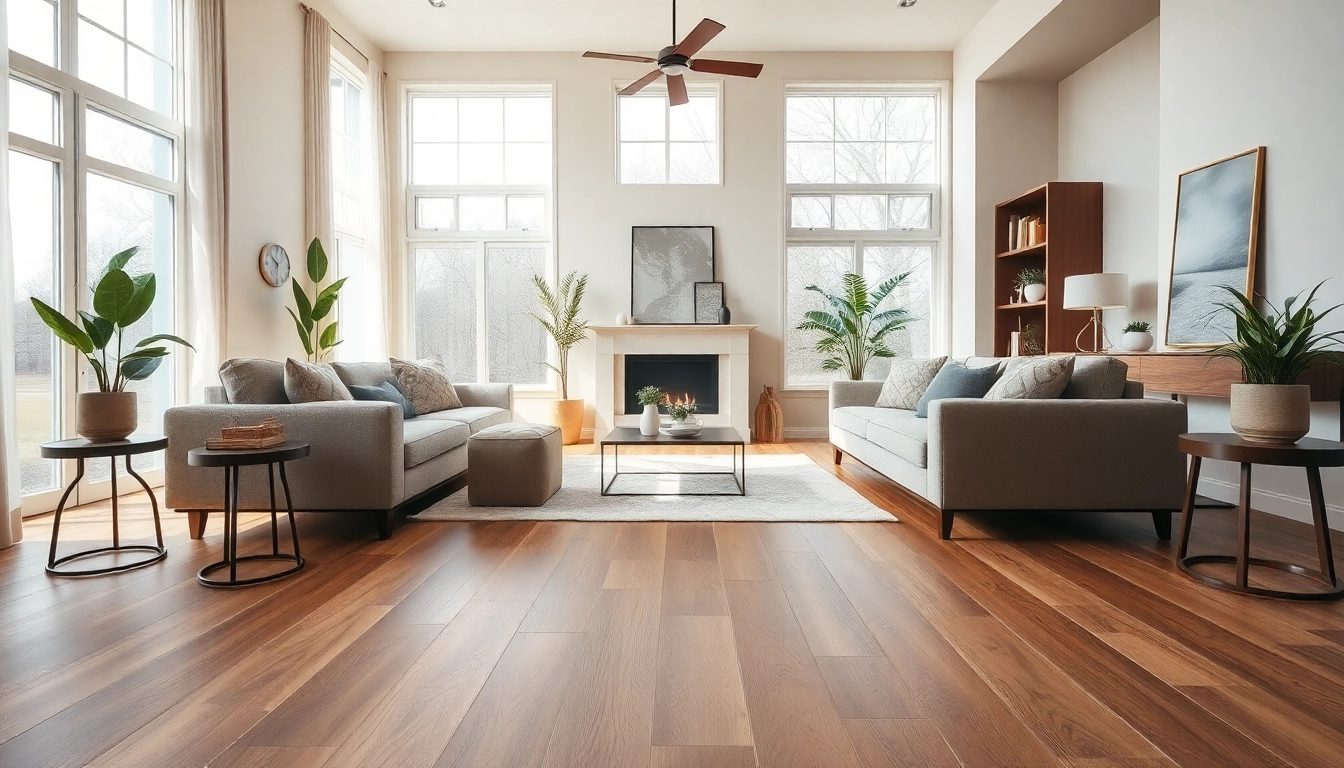
Vinyl plank flooring is a type of resilient flooring that closely mimics the appearance of natural wood or stone while offering superior durability and ease of maintenance. It is made from synthetic materials, primarily polyvinyl chloride (PVC), which provides a versatile and affordable flooring option that can be used in a variety of spaces including residential and commercial areas. vinyl plank flooring is available in an array of designs, colors, and textures, making it a popular choice for homeowners looking to upgrade their interior aesthetics without overwhelming costs.
Types of Vinyl Plank Flooring
Vinyl plank flooring comes in several different types, each designed to meet specific needs and stylistic preferences:
- Glue-Down Vinyl Plank Flooring: This type requires adhesive for installation, ensuring a permanent fit that’s useful in high-traffic areas.
- Click-Lock Vinyl Plank Flooring: Known for its ease of installation, this flooring type features a locking mechanism that allows planks to snap together without adhesive.
- Loose Lay Vinyl Plank Flooring: As the name suggests, this type can be laid down without glue, making it easy to install and replace.
- WPC and SPC Vinyl Plank Flooring: Wood Plastic Composite and Stone Plastic Composite options are thicker variants that offer extra durability, making them ideal for areas prone to moisture.
Benefits of Vinyl Plank Flooring
There are numerous advantages to choosing vinyl plank flooring over other materials:
- Durability: Vinyl plank flooring is resistant to scratches, dents, and stains, making it a suitable choice for homes with pets or children.
- Water Resistance: Many vinyl planks are water-resistant or waterproof, making them ideal for kitchens, bathrooms, and basements.
- Ease of Maintenance: Routine cleaning typically involves sweeping and mopping, with no need for waxing or special treatments.
- Cost-Effective: Vinyl plank flooring is often more affordable than hardwood or tile options, offering a beautiful look at a fraction of the price.
- Variety of Designs: This flooring type comes in an impressive range of colors, patterns, and textures, easily complementing any home decor.
Choosing the Right Vinyl Plank Flooring
Factors to Consider When Selecting
When selecting vinyl plank flooring, it is crucial to consider various factors to ensure it suits your specific needs:
- Room Type: Assess the area where you plan to install the flooring. High moisture areas require waterproof options, while living rooms may benefit from designs that mimic hardwood.
- Traffic Level: For high-traffic areas, choose thicker planks with a durable wear layer to resist wear and tear.
- Comfort: Consider if you prefer a softer feel underfoot or a firmer surface that’s easier to clean.
- Installation Method: Depending on your skill level, you may opt for click-lock for DIY installations or hire professionals for glue-down types.
- Budget: Set a clear budget before shopping, as prices can vary significantly based on quality and design.
Comparing Styles and Designs
Once you have considered the functional aspects of vinyl plank flooring, the next step is exploring various styles and designs. Here are key considerations:
- Color Palette: Select colors that either complement or contrast with existing furnishings and decor.
- Texture: Different textures can enhance the realism of the planks, giving a lifelike wood or stone appearance.
- Pattern Variations: Consider wide planks, narrow strips, or mixed widths for a unique look. Additionally, you can find options that imitate reclaimed wood or exotic species.
Installation Options and Tips
The installation process of vinyl plank flooring can be straightforward or complex, depending on the type you choose. Here are some expert tips:
- Preparation: Ensure the subfloor is clean, dry, and level. Any imperfections can affect the finished look.
- Acclimation: Allow planks to acclimate to room temperature for at least 48 hours before installation, reducing the risk of expansion or contraction.
- Tools Required: Basic tools needed include a utility knife, measuring tape, straight edge, and spacers, while a saw may be required for click-lock installations.
- Instructions: Always follow the manufacturer’s installation guidelines to ensure optimal performance and warranty validity.
Maintaining Vinyl Plank Flooring
Cleaning and Care Recommendations
Proper care and maintenance can extend the life of your vinyl plank flooring. Here are some essential cleaning tips:
- Daily Cleaning: Sweep or vacuum regularly to remove dirt and debris that can scratch the surface.
- Wet Cleaning: Use a damp mop with a mild detergent for deeper cleaning. Avoid harsh chemicals that may damage the finish.
- Protective Measures: Use floor mats at entry points and pads under furniture legs to minimize wear and prevent scratches.
Common Issues and Solutions
Even with regular care, you might encounter some issues with vinyl plank flooring. Here’s how to address them:
- Scratches: Minor scratches can often be buffed out with a soft cloth, while deeper scratches may require a vinyl repair kit.
- Gaps: Temperature changes can cause expansion and contraction. Ensure proper acclimation and use spacers during installation to minimize this risk.
- Moisture Damage: If water seeps beneath the planks, it may lead to bubbling. Address leaks immediately and ensure proper installation to prevent this.
When to Seek Professional Help
While many homeowners can handle vinyl plank flooring installation and maintenance, there are scenarios where professional help is advisable:
- Complex Installations: If the layout involves intricate patterns or multiple rooms, a pro can save time and ensure a flawless job.
- Subfloor Issues: Any significant damage to the subfloor should be addressed by professionals to avoid costly mistakes.
- Repairs: For extensive damage to the flooring itself, it’s best to consult an expert.
Trends in Vinyl Plank Flooring
Popular Design Trends
Staying updated with current trends can ensure that your vinyl plank flooring not only looks modern but also enhances your home’s market appeal. Here are some trends:
- Wide Planks: Wider vinyl planks are increasingly popular because they create a more spacious appearance in rooms.
- Variations in Colors: Warm tones and deep grays are popular, allowing homeowners to mimic the look of high-end wood species.
- Nature-Inspired Textures: Textured finishes that command attention are being favored to create a natural and organic feel.
Eco-Friendly Options
As sustainability becomes a higher priority for homeowners, eco-friendly vinyl plank flooring options are emerging. Many products now include:
- Recycled Materials: Some manufacturers utilize recycled plastics in the production of vinyl flooring, significantly reducing waste.
- Low-VOC Options: Low-volatile organic compound (VOC) options promote healthier indoor air quality.
- Certified Green Products: Many brands participate in certification programs that guarantee their products meet specific environmental standards.
Innovations in Flooring Technology
Technology continues to play a crucial role in the development of vinyl plank flooring. Recent advancements include:
- Enhanced Wear Layers: Modern vinyl flooring often features improved wear layers, making them even more resistant to scratches and stains.
- Digital Printing: Many brands now use advanced printing techniques to create realistic wood and stone appearances that stand out.
- Sound Absorption Features: Newer models integrate sound-absorbing elements, reducing noise and creating a more comfortable living environment.
Frequently Asked Questions About Vinyl Plank Flooring
What is the lifespan of vinyl plank flooring?
The lifespan of vinyl plank flooring typically ranges from 10 to 30 years, depending on the quality of the material and maintenance practices.
Can you install vinyl plank flooring over existing floors?
Yes, vinyl plank flooring can often be installed over existing floors, provided they are clean, level, and in good condition.
Is vinyl plank flooring waterproof?
Many vinyl plank flooring products are waterproof or water-resistant, making them suitable for wet areas like bathrooms and kitchens.
How does vinyl plank flooring compare to hardwood?
Vinyl plank flooring offers a similar appearance to hardwood but is more affordable, easier to maintain, and generally more resistant to moisture and scratching.
What tools are needed for vinyl plank flooring installation?
A typical installation requires a utility knife, measuring tape, straight edge, spacers, and possibly a saw for cut adjustments.