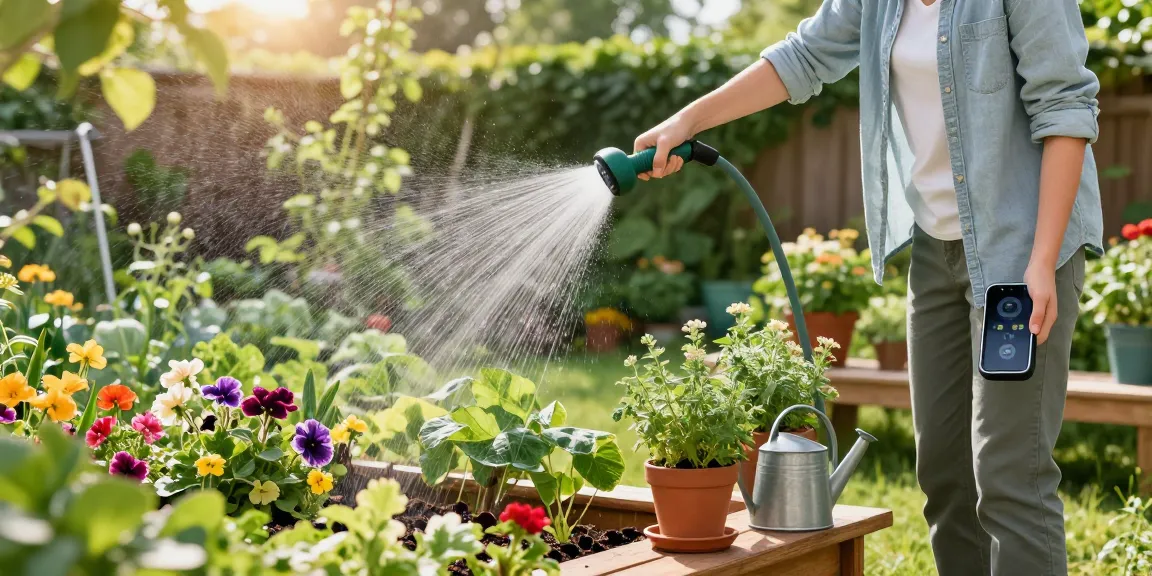

Understanding the Benefits of RainPoint WiFi Water Timers
As gardening enthusiasts increasingly turn to technology for more efficient water management, the rainpoint wifi water timer stands out as a prime solution. These innovative devices not only simplify the process of managing water usage but also significantly enhance plant health and growth. By automating watering schedules and providing real-time data, RainPoint products allow gardeners to take control of their watering needs, making gardening more productive and environmentally conscious.
Why Choose Smart Irrigation Solutions?
Smart irrigation solutions, like those offered by RainPoint, leverage technology to provide precise control over garden watering. Traditional watering methods often lead to overwatering or underwatering, both of which can have detrimental effects on plant health. With a smart irrigation system, users can create tailored schedules based on specific plant needs, soil conditions, and weather patterns. This level of customization ensures plants receive just the right amount of water, promoting healthier growth and conserving water in the process.
The Environmental Impact of Efficient Water Usage
Water scarcity is an increasing concern globally, making efficient water usage more critical than ever. By utilizing smart timers that adapt to environmental conditions, homeowners can drastically reduce their water consumption. For instance, RainPoint devices use local weather forecasts and soil moisture sensors to determine when and how much to water, effectively minimizing waste. This not only benefits the environment but also reduces water bills, making it a win-win for both users and the planet.
How RainPoint Enhances Plant Growth and Soil Health
RainPoint’s emphasis on smart irrigation doesn’t just conserve resources; it also promotes optimal plant growth. By applying water exactly when it’s needed, plants can thrive without the stress caused by inconsistent watering. This steady moisture level improves soil health, encouraging beneficial microorganisms and reducing the risk of diseases. Moreover, with the ability to track water usage, gardeners can adjust their strategies as necessary, ensuring their plants receive the right care throughout the growing season.
Setting Up Your RainPoint WiFi Water Timer
Once you’ve decided to invest in a RainPoint WiFi water timer, the setup process is designed to be user-friendly. Getting started typically involves unboxing your device, performing a few simple configurations, and connecting it to your home WiFi network.
Unboxing and Initial Setup Process
Inside the RainPoint packaging, you’ll find your water timer, a user manual, and accessories for installation. Begin by identifying the appropriate location for the timer, ideally near your water source. The device is lightweight but sturdy, making it easy to mount. Follow the user manual instructions carefully to attach it to your hose or sprinkler system. This simple setup ensures that watering can be automated effortlessly from the start.
Connecting to WiFi and App Integration
To fully utilize the capabilities of your RainPoint timer, connecting it to your home WiFi is essential. Most models are compatible with 2.4GHz networks, which is common in many households. After downloading the RainPoint app, follow the on-screen instructions to link the device. This integration enables users to manage watering schedules from anywhere via their smartphones, providing convenience and flexibility. App compatibility is a strong point for modern timers, allowing users to monitor conditions in real-time.
Customizing Settings for Different Plant Needs
One of the standout features of the RainPoint WiFi water timer is the ability to customize settings based on different plant requirements. For example, you can create specific schedules for various zones in your garden, ensuring that each area receives the appropriate amount of water. This level of granularity is particularly useful for mixed gardens with diverse plant types, each requiring unique irrigation levels. Dual-zone capabilities available in some models allow users to manage multiple watering tasks efficiently.
Maximizing Efficiency with Advanced Features
The RainPoint WiFi water timer is packed with advanced features that go beyond simple automation, enhancing its value for both novice and experienced gardeners alike.
Utilizing Soil Moisture Sensors
Soil moisture sensors are integral to the RainPoint system, helping to prevent over or underwatering. By measuring the moisture levels in the soil, these sensors inform the watering schedule. If the soil is adequately moist, the system can skip watering entirely. This feature is beneficial during periods of rainfall or high humidity, reducing water waste and promoting healthier plant growth.
Scheduling Watering Times Based on Weather Forecasts
RainPoint timers leverage real-time weather data to adjust watering schedules dynamically. For example, if rain is predicted, the timer will delay watering automatically, conserving resources. This smart integration means that gardeners can maintain a lush garden while contributing to sustainability efforts by minimizing water usage.
Tracking Water Consumption for Better Budgeting
Another advantage of using the RainPoint system is the ability to track water consumption effectively. By monitoring water use, homeowners can make informed decisions about their gardening habits and adjust them for better efficiency. This feature not only helps in keeping water bills manageable but also promotes sustainable gardening practices. Users can easily identify patterns and alter schedules to optimize their water usage further.
Common Challenges and Troubleshooting Tips
Despite the ease of use, some users may encounter challenges when setting up or operating their RainPoint WiFi water timer. Here are some common issues and helpful troubleshooting tips.
Resolving WiFi Connectivity Issues
If your RainPoint timer struggles to connect to WiFi, ensure that your router is functioning correctly and that the device is within range. Check for any interference from appliances or structures that might hinder the signal. Additionally, confirm that you are connecting to the correct frequency, as some models only work with 2.4GHz networks. Resetting the device and attempting to reconnect through the app can also resolve many connectivity issues.
Understanding Soil Moisture Levels for Best Results
Understanding how to interpret soil moisture readings is crucial for maximizing the effectiveness of your RainPoint system. If you’re unsure about optimal moisture levels for your plants, refer to the guidelines in the RainPoint app or consult resources specific to your plant types. Adjusting settings based on feedback from soil sensors ensures that plants thrive without the risk of over-saturation.
Dealing with App Compatibility and Software Updates
As technology evolves, keeping your RainPoint app up-to-date is vital for accessing the latest features and maintaining compatibility. Regularly check for updates in your device’s app store, and ensure that your smartphone’s operating system is compatible with the RainPoint app. If issues persist, reaching out to customer support can provide additional assistance.
Future Trends in Smart Irrigation Technology
As we move further into 2026, the smart irrigation landscape is poised for exciting developments. Innovations will continue to shape how gardeners manage water resources, with a strong focus on sustainability.
Predictions for Eco-Friendly Gardening Solutions in 2026
Looking ahead, expect an increase in eco-friendly solutions that cater to sustainability goals. This trend may include enhanced sensor technology that provides even more precise watering schedules based on real-time environmental feedback. Gardeners can anticipate smarter devices that connect seamlessly with home automation systems, leading to more efficient and eco-conscious gardening.
How AI is Shaping Water Management Innovations
Artificial Intelligence is likely to play a significant role in future irrigation practices. By analyzing data from various sources, AI can predict plant water needs even better than current systems, leading to reduced water usage without sacrificing plant health. These advancements promise to make smart irrigation even more intuitive, allowing gardeners to focus on their plants and enjoy the fruits of their labor.
Preparing for Upcoming Features and Enhancements
As the technology behind smart irrigation devices evolves, users can expect additional features that enhance user experiences. Future updates might include improved energy efficiency, extended battery life, and more intuitive app interfaces, all designed to make gardening smarter and easier. Keeping an eye on product updates and community forums can help users stay informed and prepared for new offerings.
What are the Key Features of the RainPoint WiFi Water Timer?
The RainPoint WiFi water timer encompasses several key features that set it apart in the market. These include:
- Real-time weather adaptation
- Multiple zone management capabilities
- Comprehensive water usage tracking
- Soil moisture sensors for optimal watering
- User-friendly app for easy setup and monitoring
How to Set Up the RainPoint WiFi Water Timer?
The setup process consists of unboxing the device, mounting it, connecting it to your WiFi, and customizing your plant watering preferences through the app. This straightforward process allows users to take immediate advantage of the timer’s benefits.
What are the Benefits of Using Smart Water Timers?
Smart water timers, like the RainPoint model, offer a range of benefits such as conserving water, reducing maintenance efforts, optimizing plant health, and providing real-time data for informed decisions. They make gardening more convenient and environmentally friendly.
How to Troubleshoot Common Issues with RainPoint Devices?
Troubleshooting involves checking WiFi connectivity, understanding soil moisture readings, and ensuring compatible software versions. Following these steps can resolve most issues effectively, allowing for smooth operation.
What Future Innovations Can We Expect in Smart Irrigation?
Future innovations in smart irrigation are expected to integrate improved AI capabilities, enhanced user interfaces, and even better data analytics, making home gardening easier and more efficient than ever. Additionally, eco-friendly designs will likely gain prominence, further supporting sustainable gardening practices.