
Understanding the Need for cách gỡ miếng ép plastic tại nhà
Removing laminated documents at home can often seem daunting, especially if you’re unfamiliar with the proper techniques and tools required. Many individuals and businesses utilize plastic lamination for various purposes, from preserving important documents to creating durable materials. However, as necessity arises or preferences change, knowing how to effectively remove these plastic layers becomes equally important. When exploring options, cách gỡ miếng ép plastic tại nhà provides comprehensive insights into the best practices for safe and efficient removal.
Why People Use Plastic Lamination?
Plastic lamination is widely adopted for its ability to enhance the durability and longevity of documents. From business cards to educational materials, lamination serves as a protective barrier against moisture, dirt, and wear. This is especially useful in settings where documents are often handled, making them prone to damage. In addition to preserving papers, lamination provides a professional appearance that can elevate the presentation of important information.
Common Challenges in Removing Laminates
Despite its benefits, removing laminated documents can present several challenges. Often, individuals encounter issues such as tearing of the underlying paper, residual adhesive, or damage from excessive heat application. In some cases, the laminate can bond too tightly to the document, complicating the removal process further. Understanding these challenges is critical to successfully navigating the removal process without compromising the integrity of the document.
Benefits of Properly Removing Plastic Layers
Correctly removing plastic layers not only preserves the document but also allows for further modification or presentation. For instance, documents that have been improperly laminated may need to be edited, updated, or re-organized. Additionally, effective removal techniques can save costs associated with reprinting or replacing damaged documents, leading to better resource management in both personal and professional contexts.
Essential Tools for Removing Plastic Lamination
To successfully remove laminated layers, having the right tools at your disposal is essential. This section will guide you through selecting the most effective equipment and supplies necessary for smooth removal.
Choosing the Right Equipment for the Job
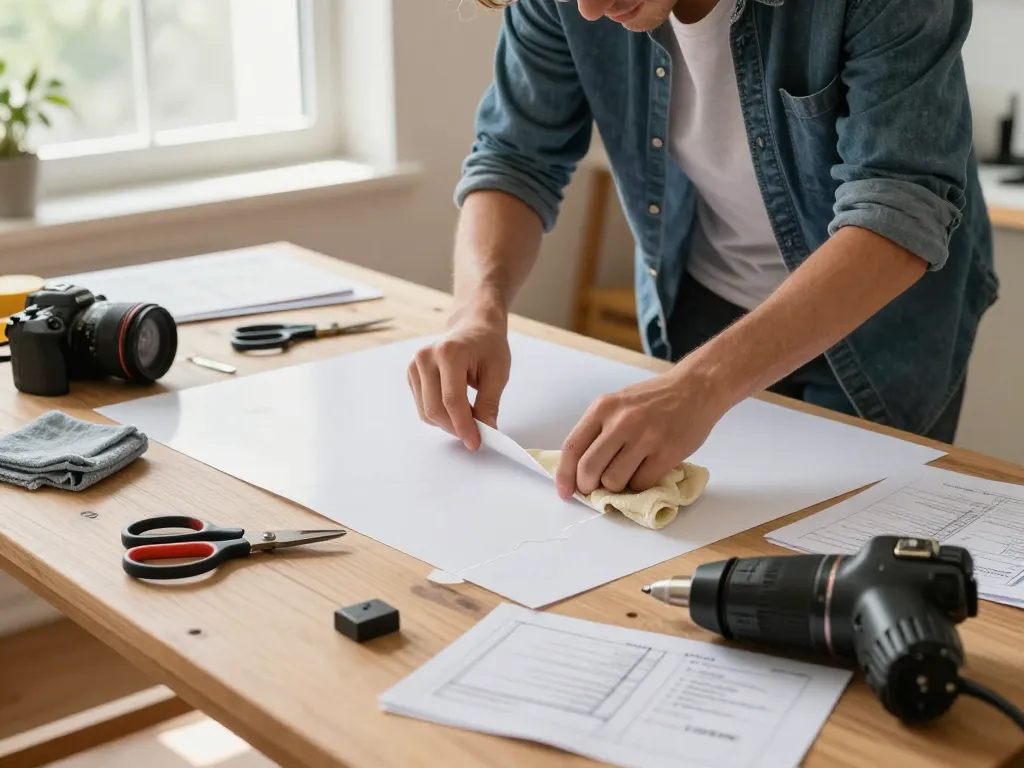
Your choice of equipment can significantly impact the ease and effectiveness of the removal process. Common tools include heat sources such as an iron or heat gun, which are used to soften the laminate, making it easier to peel away. Additionally, a sharp craft knife or utility knife allows for precise cutting around edges, while a pair of scissors can help in handling excess film.
Must-Have Supplies for Successful Removal
- Heat source (iron or heat gun)
- Sharp craft knife or utility knife
- Scissors
- Soft cloth to protect documents from direct heat
- Adhesive remover for stubborn residue
Safety Precautions While Working with Heat
When using heat to remove plastic lamination, safety should always be a priority. Here are some key precautions to consider:
- Work in a well-ventilated area to avoid inhaling fumes.
- Always use protective gloves to prevent burns from hot surfaces.
- Keep a fire extinguisher nearby as a safety measure.
Step-by-Step Guide to cách gỡ miếng ép plastic tại nhà
With the right tools and safety measures in place, you are ready to start the removal process. This guide will take you through each step to ensure that the process is as seamless as possible.
Preparing Your Workspace Effectively
Begin by ensuring your workspace is clean and organized. Lay down newspaper or a protective cloth to catch any debris from the removed laminate. Gather all your tools within reach, including your heat source, cutting instruments, and cleaning supplies.
Detailed Removal Techniques
- Heat the Laminated Document: Set your iron to the lowest heat setting and allow it to warm up. Place a soft cloth over the laminated area to protect it from direct heat.
- Apply Heat Evenly: Move the iron in circular motions over the cloth for about 30-60 seconds, making sure to cover the entire area.
- Start Peeling: Once the laminate feels warm, use your craft knife to gently lift an edge. Slowly peel away from the document, applying more heat as needed.
- Clean Up Residue: After removal, clean any adhesive residue with an appropriate adhesive remover and a soft cloth.
Post-Removal Care for Documents
After you have successfully removed the laminate, it’s important to properly care for the document. Ensure it is stored flat and in a dry place to prevent warping or moisture damage. If necessary, consider re-laminating the document with a more appropriate finish based on its intended use.
Common Mistakes to Avoid During Removal
Even with the right tools and techniques, there are common pitfalls to be aware of in the laminate removal process. Avoiding these mistakes can save you time and preserve your documents.
Misjudging Heat Application
Applying too much heat can damage the document underneath or cause the laminate to melt instead of peel away. Always start with low heat and gradually increase as needed.
Inadequate Preparation Leading to Damage
Rushing through preparation can lead to misaligned cutting or inadequate adhesive removal, potentially ruining the document. Take your time to prepare your workspace and tools correctly.
How to Handle Stubborn Laminate Edges
For areas where the laminate does not lift easily, revisit with additional heat and patience. Forcing the laminate can lead to ripping the document.
Future Trends in Plastic Lamination and Removal Techniques
The field of plastic lamination is evolving rapidly, with innovations continuously emerging. Understanding these trends can help you stay ahead and utilize the best methods for your needs.
Emerging Tools and Technologies in 2026
In 2026, we can expect to see advanced tools that incorporate smart technology for precise heat application. Devices equipped with sensors may help in automatically determining the right temperature and duration for removing different types of lamination.
Eco-Friendly Options for Plastic Removal
As sustainability becomes more critical, the industry is leaning towards eco-friendly adhesives and lamination materials that can be more easily removed or recycled. These innovations will not only help in document preservation but also reduce environmental impact.
Expert Predictions for DIY Trends
With the rise of the DIY movement, more home users are seeking effective and safe methods for laminate removal at home. Expect an increase in community workshops and online resources to facilitate the sharing of techniques and innovations.
What tools are essential for removing plastic laminates?
Essential tools include a heat source (like an iron or heat gun), cutting tools (scissors and craft knives), protective sheets, and cleaning supplies to remove any leftover adhesive.
Can I remove laminate without damaging the document?
Yes, with the right tools and methods, including heat application and careful peeling, many documents can be successfully removed without damage.
What are the risks involved in removing laminates?
The primary risks include damaging the document, inhaling fumes from melted plastic, and possible burns from heat sources.
Are there eco-friendly methods for laminate removal?
Eco-friendly removal methods include utilizing biodegradable adhesive removers and supporting lamination products designed for easier removal and recycling.
How do I preserve documents after removing laminate?
After removal, store documents in a protective sleeve or binder and keep them away from direct sunlight and moisture to prevent further damage.