
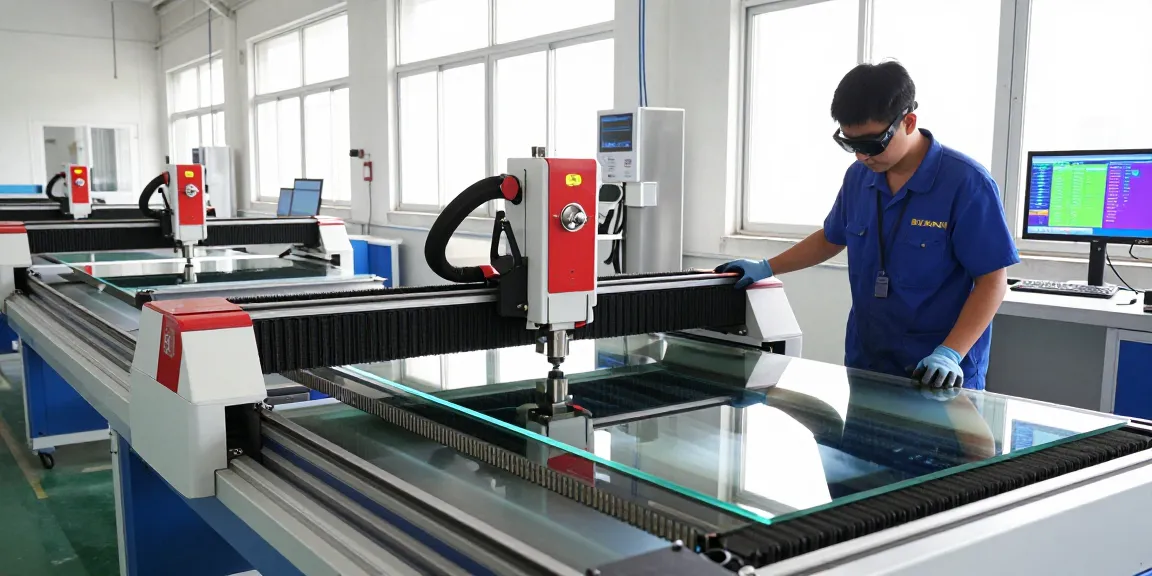
Understanding CNC Glass Cutting Technology
In the realm of modern manufacturing, the precision of CNC (Computer Numerical Control) technology has revolutionized how glass cutting is performed. CNC glass cutting machines leverage advanced technology to automate and enhance the glass cutting process, providing manufacturers with efficiency, accuracy, and versatility. The rise of these machines has been particularly significant in industries demanding high-quality glass products, from architecture to automotive manufacturing. When exploring options, glass cutting machine cnc solutions offer comprehensive insights into the capabilities and features available in the market.
What is a Glass Cutting Machine CNC?
A glass cutting machine CNC is an automated device designed to cut glass sheets of varying sizes and thicknesses with precision. Unlike traditional glass cutting methods, CNC machines use computer software to control the cutting tools. This allows for intricate designs and consistent results, significantly improving productivity in glass manufacturing. The machines can handle various glass types, including tempered, laminated, and insulated glass, making them essential tools in contemporary glass processing facilities.
Advantages of Using CNC for Glass Cutting
- Increased Precision: CNC glass cutting machines deliver exceptional accuracy, which is crucial for intricate designs and architectural projects.
- Automation: Reduces labor costs by minimizing manual intervention, allowing for continuous operation and higher output.
- Flexibility: Capable of executing complex designs and adapting to different glass types and thicknesses.
- Enhanced Safety: Automated processes reduce the risk of injury associated with manual glass cutting methods.
- Reduced Waste: Optimized cutting patterns lead to lower material waste, contributing to cost efficiency.
The Science Behind CNC Glass Cutting Machines
CNC glass cutting machines operate through a combination of hardware and software systems. The core components include a cutting head equipped with diamond-tipped blades or laser systems and a motion system that controls the movement of the cutting head along predetermined pathways. The intricate programming allows manufacturers to input designs, ensuring the machine follows precise cutting paths. Advanced models also incorporate sensors to monitor the glass thickness and adjust cutting speed, further enhancing the precision and efficiency of the process.
Choosing the Right CNC Glass Cutting Machine
Selecting the ideal CNC glass cutting machine can significantly impact operational efficiency and output quality. Understanding the various features and capabilities of different models is essential for making an informed decision.
Key Features to Look For in CNC Machines
- Cutting Technology: Consider whether the machine uses rotary blades, water jets, or lasers, as each has unique advantages.
- Size Capability: Ensure the machine can accommodate the sizes of glass you typically work with.
- Software Compatibility: Look for machines that integrate easily with design software for seamless workflow.
- Speed and Efficiency: Evaluate cutting speeds and cycle times that will impact overall production rates.
- Support and Maintenance: Opt for machines from manufacturers offering reliable after-sales support and maintenance options.
Top Brands for CNC Glass Cutting Machines
Several brands stand out in the CNC glass cutting machine market, offering reliable technology and exceptional performance. Some notable names include:
- ZHENGKE: Renowned for its comprehensive range of glass processing equipment and innovative solutions.
- CMS Glass Machinery: Known for its robust and efficient glass cutting tables.
- Glassline: Offers precision CNC cutting machines with advanced technology.
- Biesse: Provides high-performance CNC machines tailored for various glass applications.
Comparison of Manual vs. CNC Glass Cutting
When contrasting manual and CNC glass cutting approaches, the differences are stark. Manual cutting relies heavily on the skill and experience of the operator, which can lead to inconsistencies, particularly in high-volume production. On the other hand, CNC machines automate the cutting process, ensuring uniformity and scalability. This results in faster production times, reduced labor costs, and less material waste, making CNC an attractive option for modern glass manufacturers.
Best Practices for Operating CNC Glass Cutting Machines
To maximize the benefits of CNC glass cutting technology, operators should adhere to best practices that enhance safety and ensure optimal performance of the machines.
Safety Protocols and Best Practices
- Training: Provide comprehensive training for all operators on machine functions and safety procedures.
- Protective Equipment: Ensure all personnel wear appropriate safety gear, including goggles and gloves.
- Machine Inspections: Conduct regular maintenance checks to ensure machines are functioning correctly and safely.
- Emergency Protocols: Establish clear emergency procedures for operators to follow in the event of malfunction or injury.
Maintenance Tips for Longevity and Performance
Regular maintenance is crucial for the longevity of CNC glass cutting machines. Operators should follow a routine maintenance schedule that includes:
- Cleaning and lubricating moving parts to prevent wear and tear.
- Inspecting cutting tools for damage and replacing them as needed.
- Updating software regularly to incorporate the latest features and security updates.
- Monitoring machine calibration to ensure continued precision in cutting.
Troubleshooting Common Issues with CNC Machines
Despite their advanced technology, CNC glass cutting machines may encounter issues. Common problems include inaccurate cuts, tool wear, and software glitches. Operators should familiarize themselves with basic troubleshooting techniques, such as checking the alignment of the cutting head, recalibrating the machine, and reviewing program settings to rectify these issues promptly.
Industry Applications of CNC Glass Cutting
CNC glass cutting technology is widely used across various industries, demonstrating its versatility and efficiency. Understanding these applications helps highlight its importance in modern manufacturing.
CNC Machines in Architectural Glass Production
Architectural glass production has seen a drastic transformation due to CNC technology. These machines enable precision cutting for large glass facades, intricate patterns for decorative elements, and high-quality finishes required in modern architectures, ensuring both aesthetic appeal and structural integrity.
Automotive Industry Use Cases for CNC Glass Cutting
The automotive industry utilizes CNC glass cutting for windshield manufacturing and cutting windows with exact specifications. The precision offered by CNC machines ensures that glass components fit perfectly, enhancing safety and performance in vehicles.
Innovative Applications in Decorative Glass Design
Decorative glass designers leverage CNC cutting machines to create unique, customized pieces. From intricate sculptures to tailored glass panels, CNC machines facilitate innovation and creativity in design, allowing artisans to push the boundaries of traditional glassworking.
Future Trends in CNC Glass Cutting Technology
The landscape of CNC glass cutting technology is continually evolving, shaped by trends in automation, sustainability, and technological innovation. Understanding these trends is crucial for businesses aiming to thrive in a competitive market.
Automation and Smart Technology Integration
As industries advance, the integration of smart technology into CNC glass cutting machines is increasingly common. These machines are beginning to feature IoT capabilities, enabling remote monitoring and control, predictive maintenance alerts, and more efficient production scheduling. This automation leads to enhanced productivity and reduced operational costs.
Environmental Sustainability in Glass Processing
With growing awareness of environmental issues, manufacturers are seeking sustainable practices in glass production. CNC cutting technology can contribute by reducing waste and optimizing resource use. Innovations such as water recycling systems and energy-efficient machinery are becoming standard in responsible glass processing operations.
Predictions for the Glass Cutting Industry by 2026
Looking ahead to 2026, the glass cutting industry is expected to see significant advancements, including further automation, enhanced machine learning capabilities, and improvements in material science that allow for even better performance in glass processing. As demand for high-quality glass products continues to grow, the reliance on CNC technology will likely increase, positioning it as an essential element of the manufacturing landscape.