Understanding the Everest Base Camp Trek with Helicopter Return
The Everest Base Camp Trek with Helicopter Return is a unique adventure that perfectly blends traditional trekking with modern convenience. This trekking option allows explorers to hike through some of the most awe-inspiring landscapes in the world while significantly cutting down the return journey time. By incorporating a helicopter return from Gorak Shep to Lukla, trekkers can experience the thrill of reaching the base of Mount Everest without the exhaustive trek back down. For those considering this option, the Everest Base Camp Trek with Helicopter Return offers a memorable experience that is both exhilarating and time-efficient.
What is the Everest Base Camp Trek?
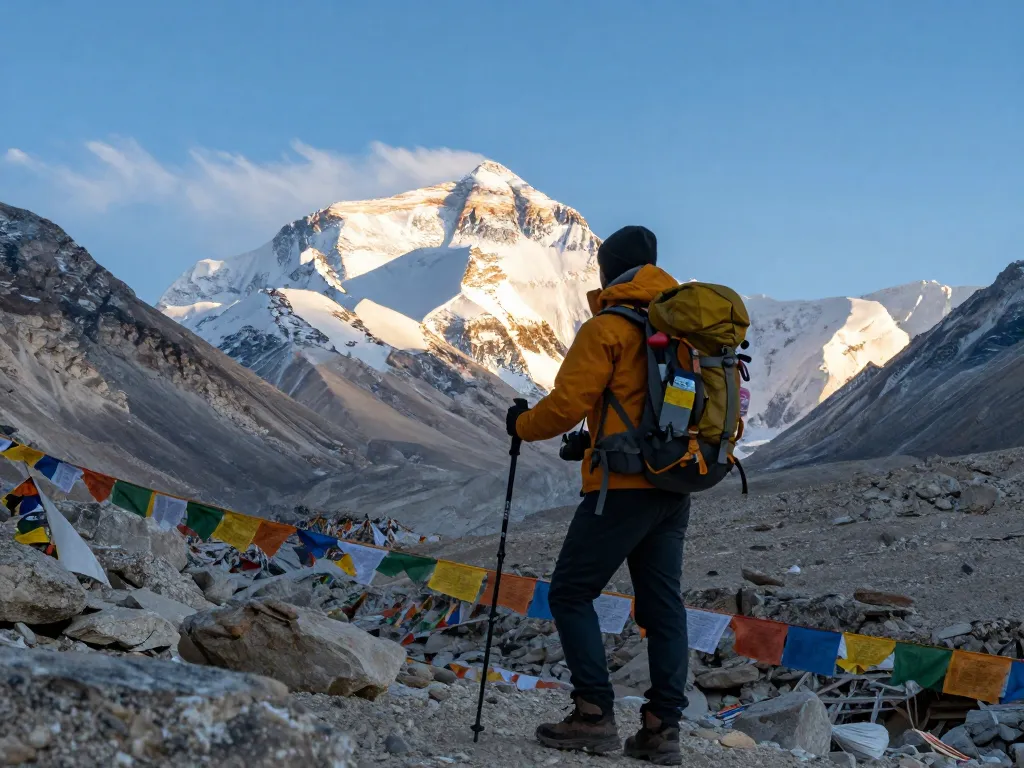
The Everest Base Camp Trek (EBC) is one of the most famous trekking routes in the world, renowned for its breathtaking views, rich Sherpa culture, and the opportunity to stand at the foot of the world’s highest peak. The trek traditionally takes about 14 days to complete, allowing trekkers to acclimatize to the high altitudes gradually. Starting from Lukla, the journey passes through picturesque villages like Namche Bazaar and Tengboche, where trekkers can marvel at stunning panoramic views of the Himalayas, including Lhotse, Makalu, and of course, Everest.
Benefits of Helicopter Return
One of the most significant advantages of the Everest Base Camp Trek with Helicopter Return is the shortened overall duration of the trek. Instead of taking the two-week standard route for both ascent and descent, trekkers can enjoy a more leisurely pace while hiking to the base camp and then fly back to Lukla in just a matter of minutes. This option is ideal for those with limited time but still yearning for the iconic experience of reaching Everest Base Camp.
- Time Efficiency: Reduces the overall trek duration significantly.
- Less Physical Strain: Avoids the arduous trek back down the mountain.
- Scenic Helicopter Ride: Provides an unforgettable aerial perspective of the Everest region.
Duration and Distance Overview
The trek to Everest Base Camp typically covers about 65 kilometers round trip, primarily focusing on the ascent to 5,364 meters at base camp. With the helicopter return, trekkers can complete the trek in approximately 12 days, which includes ample time for acclimatization and exploration. The trek itself usually involves around 5 to 8 hours of walking each day, depending on the itinerary and pace of the group.
Preparation for the Trek
Essential Gear and Equipment
Proper gear is paramount for a successful Everest Base Camp Trek. Essential equipment includes:
- Trekking Boots: Good quality, well-fitted boots are crucial for comfort and support.
- Layers of Clothing: Temperatures can fluctuate drastically; layering allows for adequate thermal regulation.
- Water Purification System: Staying hydrated is vital, and having a reliable water source is key.
- First Aid Kit: A well-stocked first aid kit is essential for immediate care of minor injuries.
Physical Training and Conditioning
Preparing physically for the Everest Base Camp Trek is essential to manage the high altitudes and rigorous demands of the trek. A training regimen should include:
- Cardiovascular Fitness: Engaging in aerobic exercises like running, cycling, or swimming helps improve stamina.
- Strength Training: Focusing on leg strength through squats and lunges prepares muscles for the trek.
- Hiking Practice: Regular hikes with a weighted backpack can simulate the trek experience.
Permits and Regulations
Before embarking on the trek, securing the necessary permits is critical. Trekkers are required to obtain:
- TIMS Card: A Trekkers’ Information Management System card, which registers trekkers in the region.
- National Park Permit: Required for entry into the Sagarmatha National Park.
Always check for the latest regulations and permit fees as they can change. Being well-informed can save time and hassle during preparations.
Navigating the Trekking Route
Key Stops and Landmarks Along the Route
The trekking route to Everest Base Camp is dotted with several iconic landmarks and stops, including:
- Lukla: The starting point of the trek, known for its airport that is one of the highest in the world.
- Namche Bazaar: A bustling Sherpa town that serves as a crucial acclimatization stop.
- Tengboche Monastery: Home to the largest monastery in the region, with stunning views of Everest.
- Gorak Shep: The final stop before reaching Base Camp, often the site for overnight stays.
Challenges and Safety Considerations
While the Everest Base Camp Trek is a rewarding venture, it comes with its challenges. Altitude sickness is a significant risk, and trekkers must be aware of its symptoms, such as headaches, nausea, and dizziness. To mitigate risks:
- Acclimatization: Take the necessary time to adjust to increasing elevations.
- Stay Hydrated: Drinking plenty of water helps maintain health at high altitudes.
- Listen to Your Body: If you experience severe symptoms, descend immediately and seek medical attention.
Best Time to Trek Everest Base Camp
The best time for the Everest Base Camp Trek with Helicopter Return is during the pre-monsoon (March to May) and post-monsoon (September to November) seasons. During these months, trekkers can expect stable weather, clearer skies, and moderate temperatures, making for a more enjoyable trekking experience.
Helicopter Return Journey Explained
What to Expect During the Helicopter Flight
The helicopter flight from Gorak Shep back to Lukla offers breathtaking aerial views of the majestic Himalayan landscape. Passengers can enjoy stunning vistas of Everest, Lhotse, and other towering peaks, giving a unique perspective that is often considered the highlight of the journey. Additionally, flights are typically organized in small groups, ensuring personalized experiences.
Difference Between Helicopter and Traditional Descent
The traditional descent back from Everest Base Camp involves retracing the trekking route back down, which can be physically demanding and time-consuming. In contrast, the helicopter return is a quick and convenient option, taking about 15-30 minutes compared to several days of trekking. This not only saves physical energy but also allows trekkers to experience a scenic flight instead of enduring additional days of hiking.
Tips for a Successful Helicopter Return
For a smooth helicopter return, consider these tips:
- Confirm Your Flight: Double-check flight schedules as they may change due to weather conditions.
- Pack Light: Limit baggage to essentials to comply with weight restrictions.
- Arrive Early: Ensure you are at the pickup point on time to avoid delays.
Real Experiences and Testimonials
Personal Stories from Trekkers
Many trekkers share life-changing experiences from their Everest Base Camp adventure. Personal stories often highlight the camaraderie built along the trek, the stunning natural beauty witnessed, and the incomparable sense of achievement upon reaching base camp. These narratives serve as inspiration and motivation for future trekkers considering this incredible journey.
Photos and Videos from Previous Expeditions
Visual documentation of trips to EBC provides potential trekkers with a glimpse of what to expect. From breathtaking sunrises over Everest to the vibrant culture of Sherpa villages, these visuals capture the essence of trekking in the Everest region. Many tour operators showcase photos and videos from past expeditions on their websites, offering compelling reasons to undertake the trek.
Future Trends in Trekking and Adventure Travel
As adventure travel continues to evolve, there is a growing trend toward sustainable and responsible trekking. More trekkers are seeking eco-friendly solutions, including tours that give back to local communities and conservation efforts. The rise of digital nomadism is also influencing trekking, where more individuals are combining work with travel, exploring destinations like EBC while maintaining a balance with their professional commitments.
What is the best season for Everest Base Camp Trek with Helicopter Return?
The best seasons for this trek are the late spring (March to May) and early autumn (September to November). These periods generally see the most favorable weather conditions with lower chances of precipitation and mild temperatures, which are ideal for trekking and helicopter operations.
How much does the trek cost and what is included?
The cost of the Everest Base Camp Trek with Helicopter Return varies based on the tour operator, included amenities, and the overall package. Generally, prices range from USD 1,800 to USD 2,500, with packages often including:
- Permits and fees
- Accommodation and meals
- Helicopter flights
- Qualified guides and porters
What are the health risks associated with high-altitude trekking?
High-altitude trekking poses health risks such as altitude sickness, which can occur when ascending too quickly. Other potential issues include dehydration, and cold-related illnesses. Trekkers should be aware of the signs of altitude sickness and be prepared to descend if necessary.
Can I find a guide or group for the trek?
Joining a guided group is highly recommended, especially for first-time trekkers. Experienced guides can enhance the experience by providing insights into local culture, ensuring safety, and aiding in acclimatization. Numerous trekking agencies offer group tours for the Everest Base Camp Trek, accommodating various preferences and budgets.
What are the accommodations like along the trek?
Accommodation along the trek ranges from teahouses to lodges, depending on the location and amenities available. In lower altitude regions, facilities are more developed, while accommodations become more basic as trekkers ascend. Regardless, most lodges provide a welcoming atmosphere, warm meals, and the opportunity to meet fellow trekkers.