
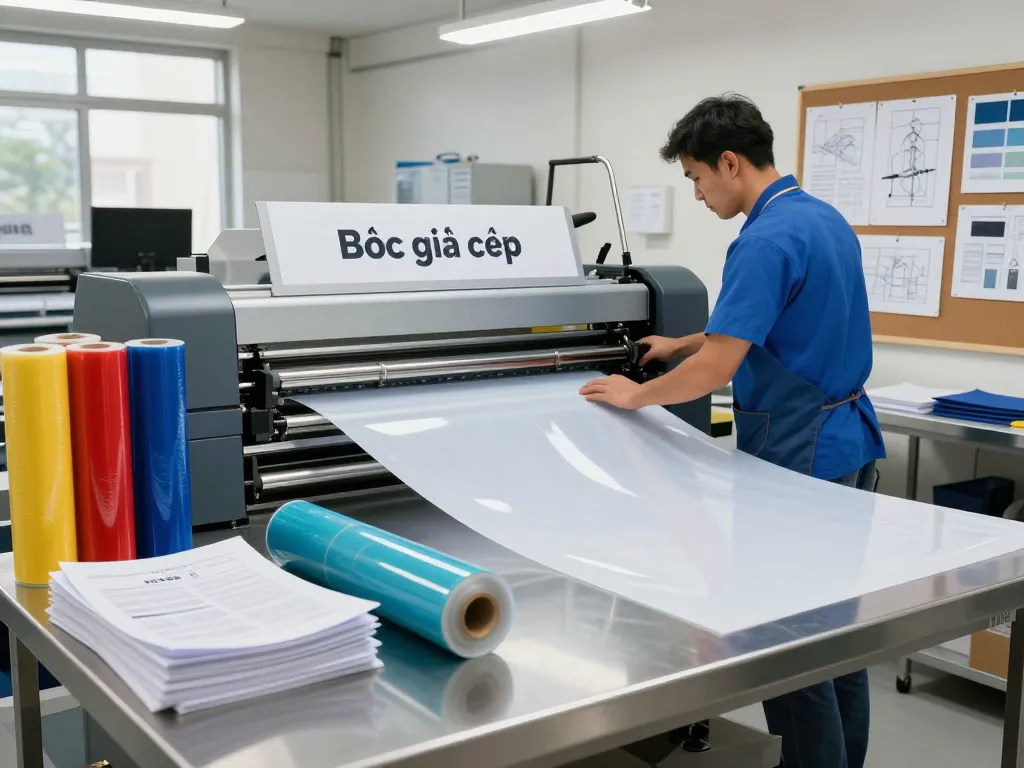
Understanding Laminating in Hanoi
Laminating, a process that involves encasing documents in a protective plastic layer, is an essential service for businesses and individuals in Hanoi. This technique not only enhances the durability of documents but also improves their visual appeal. As we delve deeper into the concept of Bóc giấy ép plastic tại hà nội, understanding the various aspects of laminating will equip you to make informed decisions regarding document preservation.
What is Bóc giấy ép plastic?
Bóc giấy ép plastic translates to “plastic lamination,” a process where documents are encased in plastic film to protect them from wear and tear. This method is particularly popular in Hanoi, where humidity and environmental factors can degrade paper quickly. Laminating not only safeguards against physical damage but also prevents fading and staining, extending the life of promotional materials, certificates, and important documents.
Importance of Laminating for Document Preservation
Document preservation is crucial in both personal and professional contexts. Laminating offers a solution to keep papers intact over time, maintaining their quality despite frequent handling. This is especially important for:
- Educational materials: Laminated study guides and worksheets resist wear and are easier to clean.
- Business presentations: Laminated documents look professional and withstand the rigors of transport.
- Art and photography: Laminating ensures that prints and artworks maintain their color and integrity.
Common Misconceptions about Plastic Lamination
Despite its popularity, there are several misconceptions regarding plastic lamination. For example, some people believe that all laminating processes are the same. In reality, there are distinct types tailored for different needs. Additionally, there’s a common belief that lamination makes documents bulky and rigid, whereas advancements in technology have led to thinner, more flexible laminating films that maintain the original feel of documents.
Types of Laminating Techniques
Cold vs. Hot Laminating: What’s the Difference?
There are primarily two types of laminating techniques: cold and hot. Cold lamination uses pressure-sensitive adhesive film, allowing for a simpler process that doesn’t require heat, making it ideal for heat-sensitive materials. Hot lamination, on the other hand, utilizes a heated roller to fuse the plastic to the document, providing a stronger bond but requiring careful handling to avoid damage. Each method has its advantages, depending on the specific application and desired outcome.
Choosing the Right Lamination Method for Your Needs
Your choice between hot and cold lamination depends largely on the types of documents you intend to laminate. For instance, if you are looking to preserve images or delicate papers, cold lamination may be preferable due to its gentler approach. Conversely, for documents that will be frequently handled, such as ID cards or menus, hot lamination may provide the necessary durability.
Innovative Laminating Technology Trends in 2026
As we look toward the future, laminating technology continues to evolve. In 2026, expect to see advancements such as eco-friendly laminating films made from biodegradable materials, and digital lamination processes that allow for personalized finishes. Innovations like these not only cater to aesthetic preferences but also address growing environmental concerns.
Step-by-Step Laminating Guide
Preparing Your Documents for Lamination
Preparation is critical for successful lamination. Ensure that documents are clean, flat, and free from any staples or clips to avoid damage during the process. If you’re laminating items that have writing or printing, consider the impact of heat on inks and choose your lamination method accordingly.
Essential Equipment and Tools for Effective Laminating
To laminate effectively, you’ll need:
- A laminator: Choose between a basic model for home use or a professional-grade machine for high-volume needs.
- Laminating pouches: Available in various thicknesses, these pouches will determine the rigidity of the finished product.
- Scissors: For trimming excess film after lamination.
Best Practices for Achieving Flawless Results
For optimal results, follow these best practices:
- Use the correct temperature setting on your laminator based on the thickness of the film.
- Feed documents slowly and straight into the machine to prevent jams and misaligned laminations.
- Allow laminated documents to cool flat to prevent warping.
Challenges and Solutions in Laminating
Common Problems Encountered During the Lamination Process
Some common issues include bubbles, wrinkles, and uneven edges. Bubbles can occur when air is trapped during the lamination process, while wrinkles may arise from improper alignment. Understanding these challenges is the first step towards overcoming them.
Tips for Avoiding Bubbles and Wrinkles
To minimize these issues, ensure that documents are free of dust and debris before laminating. Additionally, using a quality laminator that provides even heat distribution can greatly reduce the likelihood of bubbles and wrinkles. If you encounter these issues, using a ruler to gently smooth out bubbles from the center outward can also help.
Repairing and Reworking Laminated Documents
In cases where documents have been improperly laminated, repair options include re-laminating or trimming damaged edges. For severe damage, replacement might be necessary. Keeping a backup of important documents in digital format can also serve as a safeguard.
The Future of Laminating Services in Hanoi
Emerging Trends and Innovations in Document Protection
The demand for laminating services in Hanoi is on the rise, driven by increasing awareness of document preservation. As technology evolves, customers can expect innovations in both product offerings and service delivery, including same-day service and online ordering.
Impact of Sustainability Practices on the Laminating Industry
Sustainability is becoming a focal point for many industries, including laminating. The introduction of recyclable and degradable materials reflects an industry shift towards environmentally responsible practices. Customers are increasingly looking for services that align with their values, making sustainability a key differentiator.
How to Stay Ahead in the Competitive Market of Laminating Services
Businesses in the laminating sector can gain a competitive edge by adopting technology, enhancing customer service, and diversifying product offerings. Providing value-added services, such as design and printing, alongside lamination can attract a broader customer base.
What materials can be laminated?
Almost any paper-based material can be laminated, including photographs, posters, cards, and educational materials. However, caution should be exercised with items that may not withstand heat or pressure, such as certain types of artwork or documents with intricate surfaces.
How long does laminated paper last?
With proper care, laminated documents can last several years, often extending their lifespan significantly beyond that of unlaminated papers. Factors affecting longevity include exposure to sunlight, humidity, and physical handling.
Is plastic lamination environmentally friendly?
The environmental impact of plastic lamination is a topic of considerable debate. While traditional lamination uses petroleum-based films, advancements in eco-friendly materials are paving the way for more sustainable options. It is crucial for consumers to inquire about the materials used in lamination services.
Can laminating be done at home?
Yes, laminating can be done at home using a personal laminator, which is increasingly affordable and user-friendly. Home laminating is ideal for smaller projects and allows for quick document preservation.
What are the costs associated with professional lamination services?
The cost of professional lamination services in Hanoi varies based on several factors, including the type of lamination, size of the documents, and the service provider. Generally, prices are reasonable, making lamination accessible for both individuals and businesses.