
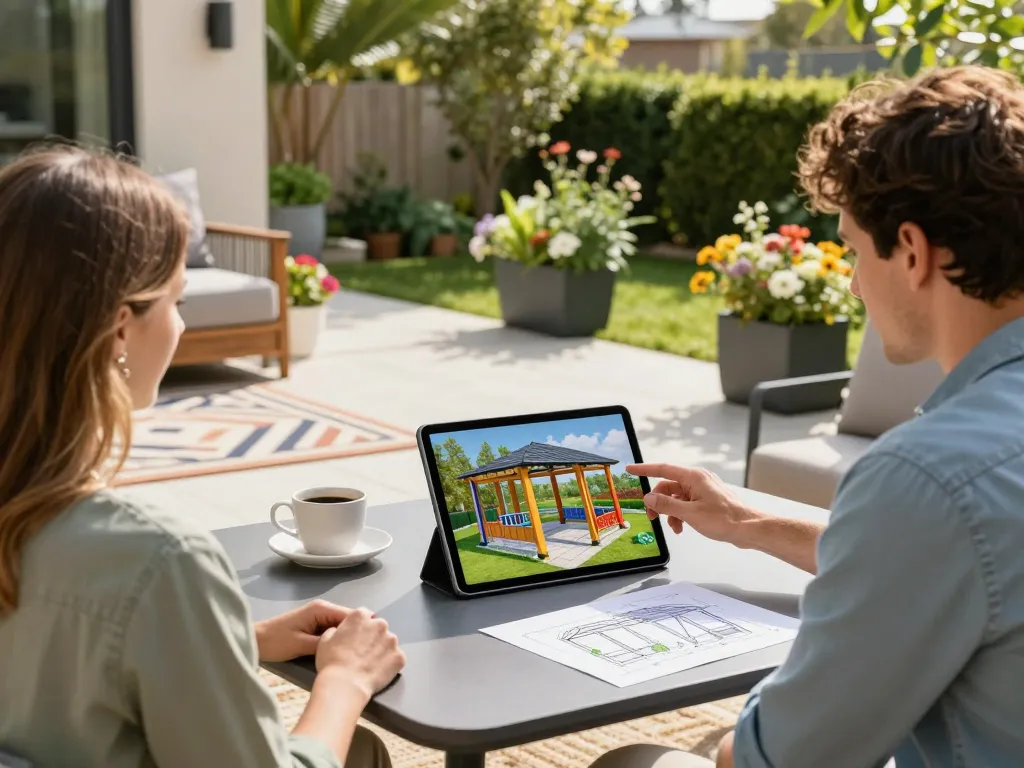
Understanding the Benefits of a 3D Pergola Configurator
In the contemporary landscape of outdoor design, a 3D Pergola Configurator serves as an essential tool for businesses looking to enhance customer engagement and streamline the sales process. Integrating advanced technology into the design and sales workflow allows companies to not only showcase their products more effectively but also to align their services with modern consumer expectations. The benefits of utilizing such a configurator go beyond simple visualization, impacting overall sales efficiency and customer satisfaction.
Why Choose a 3D Configurator for Your Business?
A 3D configurator presents a myriad of advantages that can significantly enhance a business’s sales strategy. Firstly, it allows for precise design features tailored to each client’s needs, enabling customers to visualize their selections in real-time. This immersive experience fosters engagement, making customers feel more invested in their purchase decisions. Moreover, interactive configurators facilitate collaboration between sales representatives and clients, transforming discussions into actionable designs that match customer preferences and requirements.
Additionally, the configurator streamlines the sales process by generating accurate quotes and plans directly from customer inputs. This automation minimizes errors and saves time, ultimately leading to faster project execution and enhanced customer satisfaction.
Key Features of Effective Pergola Configuration
- Real-Time Visualization: Customers can see their designs come to life instantly, adjusting colors, materials, and configurations as they iterate on their vision.
- Automated Pricing: Accurate pricing is generated based on the chosen specifications, helping clients understand the costs associated with their designs immediately.
- Document Generation: The ability to produce professional, branded quotes and plans automatically aids in maintaining a professional image and aids in the sales process.
Customer Engagement Strategies with 3D Tools
Engaging customers effectively involves more than just showcasing products; it requires establishing a dialogue that supports decision-making. Utilizing a 3D configurator turns a one-dimensional presentation into an interactive conversation. Sales teams can conduct live demonstrations, allowing potential buyers to manipulate designs and provide feedback in real-time. This engagement strategy fosters trust and reinforces the relationship between the salesperson and the customer.
Moreover, by offering features such as augmented reality (AR) previews, businesses can elevate customer experience, enabling them to visualize the product within their own outdoor environment. This added layer of interaction enhances decision-making and accelerates the path to purchase.
How to Use the 3D Pergola Configurator Effectively
Step-by-Step Guide to Configuring Your Pergola
Using a 3D pergola configurator requires a structured approach to ensure both the customer and the business are aligned throughout the process. Begin by gathering customer requirements to understand their vision. This initial consultation is critical, as it sets the foundation for the configuration process. Once the details are gathered, the configuration can commence, where customers select from various options such as size, style, materials, and accessories.
During the configuration, it’s vital to demonstrate real-time changes for customers. As they make selections, the configurator should reflect these changes instantly, showcasing how the final product will look. This immediate feedback loop helps to build confidence and satisfaction.
Real-Time Visualization: The Benefits for Customers
Real-time visualization is perhaps one of the most compelling features of a 3D configurator. It allows customers to see their pergola in a virtual setting, helping them to better understand how it fits within their outdoor space. This visual representation can significantly improve the customer’s ability to make informed choices regarding their design preferences, leading to higher satisfaction rates.
Furthermore, being able to visualize options in real-time equips customers with the knowledge to make adjustments on the fly, leading to a more personalized product that aligns closely with their vision.
Integrating Quotes and Pricing into Your Workflow
Effectively integrating quotes and pricing into the configuration process not only enhances customer experience but also supports the sales team’s efficiency. With the configurator’s capabilities, every design variation can be automatically calculated, providing instantaneous feedback on pricing based on selected features.
The automation of quote generation reduces manual entry errors and speeds up the workflow, allowing businesses to present professional documentation quickly. This streamlined process is particularly beneficial in competitive markets where timely responses can make a significant difference in closing deals.
Maximizing Sales Performance with Smart Automation
Automated Follow-Ups and Customer Management
One of the foremost advantages of implementing a 3D configurator is the opportunity for enhanced automation within sales processes. Automated follow-ups can ensure that no lead goes cold, maintaining customer engagement without demanding excessive time from sales personnel. By setting up reminders and automated communications, businesses can keep customers informed and interested throughout the purchasing cycle.
Additionally, an integrated CRM system allows for better customer management. With all interactions tracked, sales teams can easily refer back to previous conversations, preferences, and configurations, leading to personalized communications that resonate with customers.
Leveraging Data Analytics for Sales Improvement
The integration of data analytics into the sales process can uncover valuable insights that drive improvement. By analyzing customer preferences and behaviors within the configurator, businesses can identify trends and make data-driven decisions on product offerings and marketing strategies.
Understanding which configurations lead to successful sales or which features customers engage with the most enables businesses to tailor their approach, maximizing the likelihood of converting prospects into loyal customers.
Tools to Streamline Your Pergola Sales Process
In addition to a 3D configurator, several other tools can enhance the sales process. For instance, customer relationship management (CRM) software helps in organizing leads and tracking engagements, while project management tools ensure efficient execution of installations. These additional resources, when combined with the configurator, create a seamless experience that covers every aspect from lead generation to project completion.
Overcoming Common Challenges in Product Configuration
Addressing Customer Misconceptions about 3D Tools
While the benefits of 3D configurators are substantial, some customers may harbor misconceptions regarding their practicality and ease of use. It is essential to address these concerns upfront, educating potential users on how intuitive and accessible these tools are. Demonstrating the configurator in action can alleviate skepticism and highlight its advantages.
Ensuring Accurate Dimensions and Specifications
One of the critical challenges in using a 3D configurator is ensuring that all dimensions and specifications are accurate. Businesses must implement rigorous checks and balances to validate that all parameters are correct, avoiding potential discrepancies that could lead to customer dissatisfaction. Consistent training for staff and regular updates to the configurator’s database help mitigate these challenges.
Common Pitfalls and How to Avoid Them
Even with the advantages of a 3D configurator, pitfalls exist that can derail its effectiveness. To avoid common mistakes, businesses should focus on user experience, ensuring the tool is intuitive and user-friendly. Continuous feedback from users can help in refining the tool and enhancing its functionalities, ensuring it meets customer expectations consistently.
Future Trends in 3D Configuration and Customer Engagement
Emerging Technologies Impacting Product Configurators
The future of 3D configurators is likely to be shaped by emerging technologies such as artificial intelligence (AI) and machine learning. These advancements can further enhance personalization, enabling configurators to suggest features and configurations based on past customer behaviors and preferences.
Predictions for the Home and Garden Industry in 2026
As we look ahead to 2026, the home and garden industry is poised for rapid transformation, driven by advancements in technology and changing consumer preferences. The demand for interactive and personalized experiences will likely continue to increase, pushing businesses to adapt their sales strategies accordingly. Companies that leverage configurator technology will have a competitive edge in meeting these evolving customer expectations.
Staying Ahead: Continuous Evolution of Configurator Tools
To remain competitive, businesses must commit to the continuous evolution of their configurator tools. Regular updates and incorporation of user feedback will ensure that these tools meet the changing landscape of customer needs. Additionally, integrating new features such as AR capabilities will enhance the configurator’s effectiveness, providing even more engaging customer experiences.
What is the 3D Pergola Configurator and how does it work?
The 3D Pergola Configurator is an advanced digital tool that allows users to design and visualize custom pergolas in real-time. By inputting specific dimensions and choosing materials and styles, customers can see their creations come to life in a virtual environment, providing them with a clear picture of what to expect.
Can I customize my pergola design in real-time?
Absolutely! The primary feature of a 3D Pergola Configurator is the ability to make real-time changes. As customers adjust their selections, the configurator updates the visual representation instantly, ensuring they have a complete view of their customization choices.
What features should I look for in a 3D configurator?
When selecting a 3D configurator for your business, look for features such as intuitive design interfaces, real-time visualization, automated pricing, quote generation capabilities, and robust customer management tools. These functionalities can significantly enhance the user experience and streamline the sales process.
How does automation enhance customer engagement?
Automation enhances customer engagement by ensuring that communication remains consistent and timely throughout the sales process. Automated follow-ups and reminders keep customers informed and engaged, minimizing the chances of leads going stale.
What future developments can we expect in product configuration?
Future developments in product configuration are likely to center around enhancing personalization through AI and integrating AR capabilities for immersive experiences. As technology continues to evolve, businesses will have access to more sophisticated tools that streamline the design process and enhance customer satisfaction.