
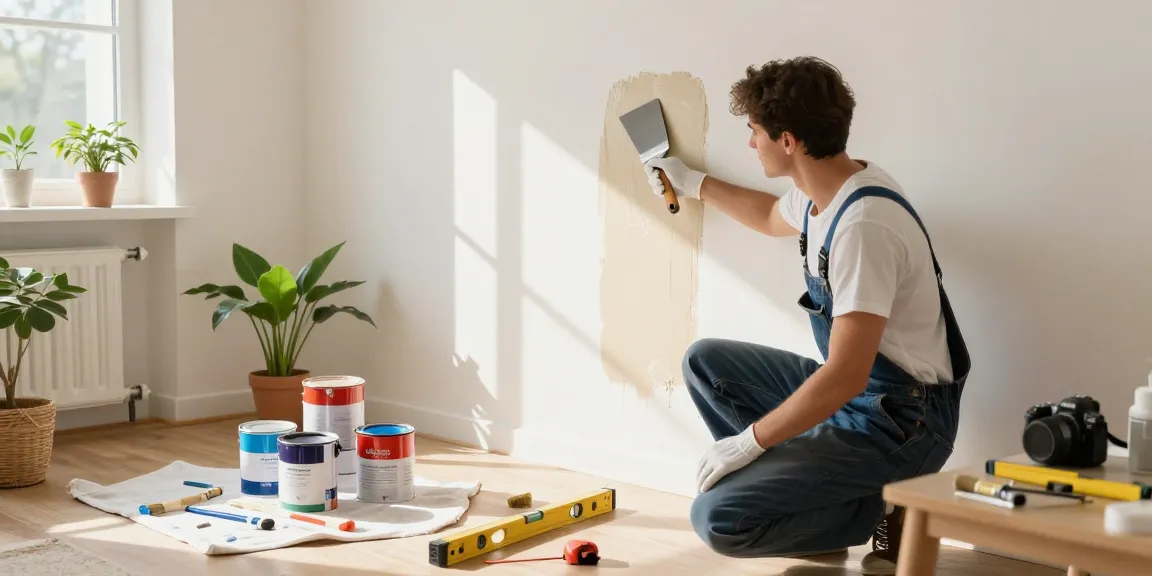
Understanding Wall Putty: What You Need to Know
Wall putty is an essential product in the realm of interior and exterior finishing, widely used to prepare surfaces for painting, plastering, or wallpapering. It is a white paste made from a mix of calcium carbonate, polymers, and water, resulting in a smooth and durable finish. For anyone looking to enhance the aesthetics of their walls, understanding the costs and applications of wall putty is crucial, especially when considering products like a one-pound pack of wall putty that costs $3. When exploring options, a-one-pound-pack-of-wall-putty-cost-3 provides comprehensive insights into the price and benefits of smaller quantities.
What is Wall Putty and Its Uses?
Wall putty serves multiple purposes, primarily ensuring a smooth surface for further application. It acts as a sealant and filler that bridges gaps, hides imperfections, and creates a uniform surface, making it ideal for painting or applying textured finishes. In addition to aesthetic benefits, wall putty protects against moisture and other environmental factors, enhancing the lifespan of paints applied over it. Its versatility allows it to be used in residential, commercial, and industrial spaces, making it a staple in construction and renovation projects.
Comparing Different Types of Wall Putty
Wall putty comes in various types, tailored for specific applications and environments. The two main categories are:
- Interior Wall Putty: Designed for indoor use, it focuses on smooth finishes and low emissions, ensuring safety in enclosed spaces.
- Exterior Wall Putty: More robust and weather-resistant, this type is formulated to withstand environmental stressors while maintaining an aesthetic appeal.
Understanding the differences is key to selecting the right product for your project, ensuring optimal results and durability.
Why Choosing the Right Product Matters
The quality and type of wall putty you select can significantly affect the final look and longevity of your walls. Choosing inappropriate products can lead to peeling paint, cracks, and an uneven surface. Therefore, investing time in understanding the characteristics of each product, along with their costs, is crucial for achieving professional results.
Cost Analysis: Is a One-Pound Pack Worth It?
When considering a one-pound pack of wall putty priced at $3, it’s essential to evaluate whether this quantity meets your project needs while ensuring cost-effectiveness. Understanding the overarching market prices and the practicality of smaller versus larger packs can guide your purchasing decisions.
Breaking Down the Costs: A Detailed Overview
The pricing of wall putty varies widely based on brand, type, and quantity. A one-pound pack often serves smaller projects or touch-ups, making it convenient for DIY enthusiasts. However, purchasing larger packs typically offers better value per pound. It’s essential to analyze the price differences to determine the most cost-effective route for your specific project requirements.
Comparing Costs of Smaller vs. Larger Packs
For example, while a one-pound pack costs $3, larger packs, like the ten-pound option, are available at $24. This brings the cost per pound down significantly. Here’s a simple calculation:
- Cost of 1 pound = $3
- Cost of 10 pounds = $24
- Cost per pound for the 10-pound pack = $24 / 10 = $2.40
This means that buying in bulk not only reduces the price per unit but also minimizes the frequency of purchases, making it a more efficient long-term investment.
How to Calculate Cost Savings Effectively
To assess cost savings, it’s essential to calculate not just the upfront price but also consider the project’s scope. If your project requires more than a couple of pounds of wall putty, opting for a larger pack might translate into substantial savings. Additionally, factor in other costs associated with purchasing smaller packs, such as travel and time spent procuring additional materials.
Application Techniques for Optimal Results
Applying wall putty can be straightforward, but certain techniques can enhance the final finish, greatly impacting the aesthetic appeal of your project. Mastering these techniques can prevent common pitfalls and ensure long-lasting results.
Step-by-Step Guide to Applying Wall Putty
- Preparation: Start by cleaning the surface thoroughly to remove any dust and debris.
- Mixing: Follow the manufacturer’s instructions to mix the putty appropriately. Ensure it is free from lumps.
- Application: Use a putty knife to apply a thin layer of putty. Begin at the top of the wall and work your way down.
- Smoothing: Smooth the surface using a wet sponge or the putty knife to create an even finish.
- Drying: Allow the putty to dry completely before applying any paint.
Following these steps will help ensure a well-finished surface ready for painting or further decoration.
Common Mistakes to Avoid When Using Wall Putty
Even seasoned users can make mistakes when applying wall putty. Here are some common pitfalls to avoid:
- Inadequate surface preparation: Skipping or rushing through this step can lead to poor adhesion.
- Over-application: Applying too thick a layer can result in cracking and extended drying times.
- Poor mixing: Not mixing the putty properly can lead to uneven texture.
Avoiding these mistakes will enhance the effectiveness of the putty and the beauty of the finished walls.
How Proper Application Influences Durability
Proper application of wall putty not only enhances visual appeal but also significantly influences its lifespan. A well-applied layer provides a solid base that protects against moisture and environmental damage, extending the life of the paint and the wall itself. Furthermore, ensuring that the putty is applied evenly can discourage peeling and flaking, thus preserving the wall’s integrity over time.
Future Trends in Wall Finishing Products
As the construction industry evolves, so do the products used for wall finishing. Staying updated on emerging trends can help both professionals and DIYers make informed choices regarding wall putty and related products.
Emerging Innovations in Wall Putty Technology
Recent advancements in wall putty technology include enhanced formulations that improve adhesion and reduce drying time. Many manufacturers are also focusing on producing eco-friendly options that minimize environmental impact, making sustainable products increasingly popular among consumers.
Eco-Friendly Alternatives and Their Benefits
As sustainability becomes a priority, eco-friendly wall putties made from natural ingredients are gaining traction. These options are beneficial in several ways:
- Lower VOC emissions, making them safer for indoor air quality.
- Reduced environmental footprint, contributing to greener building practices.
- Comparable performance to traditional products, ensuring that quality is not sacrificed for sustainability.
Predicted Changes in Market Demand by 2026
Market research indicates a growing demand for versatile and sustainable wall finishing solutions. As more homeowners and contractors recognize the benefits of quality wall putty, it’s anticipated that demand will rise for both traditional and eco-friendly products. This trend is likely to influence pricing strategies and product innovation in the coming years.
Frequently Asked Questions About Wall Putty
What is the best way to store unused wall putty?
When storing leftover wall putty, ensure it’s in a cool, dry place and tightly sealed to prevent drying out. Following these steps will keep the product usable for future projects.
How long does wall putty last once applied?
When applied correctly, wall putty can last several years. However, factors such as humidity, temperature, and the quality of application can influence its durability.
Is wall putty safe to use indoors?
Yes, most wall putties are safe for indoor use, especially those designed for interiors that have low VOC emissions. Always check the product specifications before use.
Can wall putty be painted over right away?
It’s advisable to wait until the wall putty is fully cured before painting over it, which may take several hours to a few days depending on the product and environmental conditions.
What tools are needed for applying wall putty?
The basic tools required include a putty knife, trowel, sandpaper, and a clean sponge for smoothing. These tools will help achieve a professional finish when applying wall putty.