
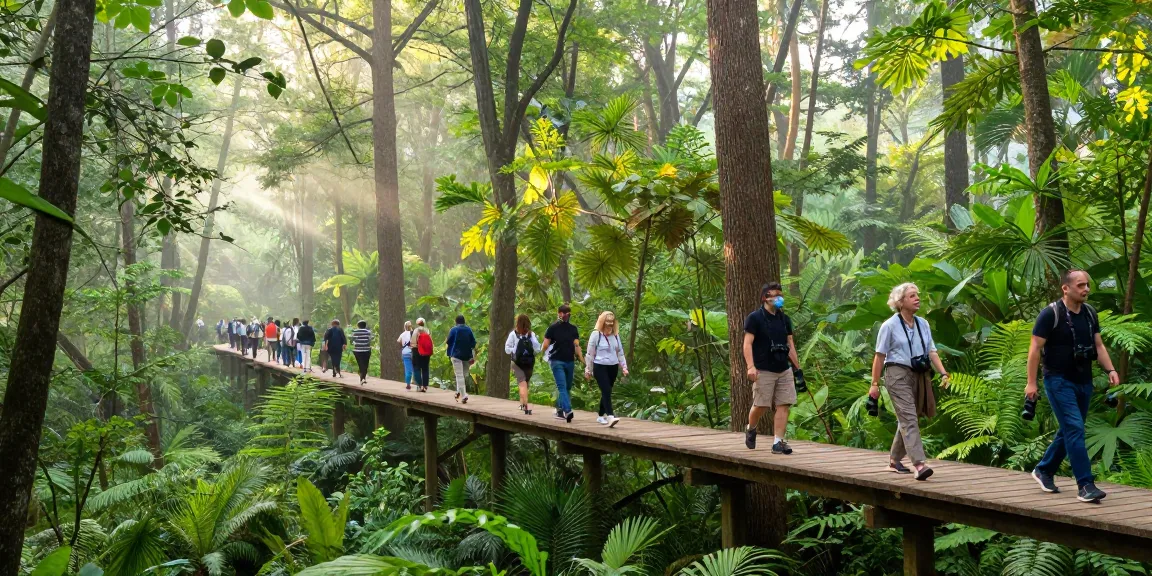
Understanding the Treetop Walkway Experience
The allure of a Treetop Walkway lies in its unique ability to connect us with nature from an extraordinary vantage point. Above the forest floor, these walkways offer not just a path through the trees but an immersive experience that can transform visitors into explorers of the arboreal realm. As we venture into this article, we will uncover what a treetop walkway is, the benefits of exploring these elevated trails, and the top locations around the globe where you can embark on such a journey in 2026.
What is a Treetop Walkway?
A treetop walkway is an elevated pathway that traverses the canopy of a forest, allowing visitors to walk among the treetops. Typically constructed from wood, metal, or a combination of materials, these walkways can reach impressive heights, with some standing as high as 70 feet (approximately 21 meters) above ground. They are designed to provide a safe and accessible way for people to experience the beauty and biodiversity of forest ecosystems while minimizing their impact on the environment.
Benefits of Exploring Above the Canopy
Walking above the forest floor offers a multitude of benefits. Firstly, it provides a unique perspective on the natural world, allowing you to see landscapes and wildlife that are often hidden from view. The experience can also be educational; many treetop walkways feature interpretive signage that explains the flora and fauna you may encounter. Additionally, spending time in nature has been linked to various mental health benefits, including reduced stress, improved mood, and enhanced cognitive function.
Top Locations for Treetop Walkways in 2026
As interest in eco-tourism continues to rise, several stunning treetop walkways have gained popularity. Here are some of the premier locations to visit in 2026:
- Kew Gardens, London: This stunning walkway in the Royal Botanic Gardens offers breathtaking views of diverse plant species while standing 18 meters above the ground.
- TreeWalks, New Zealand: Here, visitors can explore a series of suspended bridges that connect native trees in an untouched rainforest.
- Murch Canopy Walk, USA: Located in the Holden Arboretum, this walkway spans 500 feet and elevates visitors 65 feet above the forest floor.
- Wild Walk, The Wild Center, USA: This unique experience combines adventure and education through twisting paths and interactive exhibits among the treetops.
Planning Your Visit to Treetop Walkways
Best Times to Experience Treetop Walkways
Timing your visit to a treetop walkway can greatly enhance your experience. Early morning or late afternoon are generally the best times to visit, as you can witness the forest coming to life with the sounds and sights of wildlife. Additionally, these times often offer cooler temperatures and softer light for photography.
What to Bring for a Treetop Adventure
Preparation is key for an enjoyable trip. Here are some essentials to pack:
- Comfortable Footwear: Sturdy shoes suitable for walking are a must, especially if the walkway has any uneven surfaces.
- Camera or Binoculars: If you’re keen on capturing memories or spotting wildlife, these tools are invaluable.
- Water and Snacks: Staying hydrated and energized can enhance your exploration.
- Weather-Appropriate Clothing: Dress in layers to prepare for changing weather conditions.
Accessibility Considerations and Tips
Many treetop walkways are designed with accessibility in mind, featuring ramps and paved paths. However, it's essential to check the specific walkway's accessibility options before your visit. Additionally, consider the physical demands of the structure; some walkways can be quite long or include stairs. Always consult the facility’s website or contact them directly for the most accurate information.
Wildlife Encounters on the Treetop Walkway
Common Species You Might Spot
Treetop walkways provide a unique vantage point for observing wildlife. Depending on the location, you may encounter a variety of species such as:
- Birds: Look out for songbirds, raptors, and other species that nest in trees.
- Insects: Butterflies, bees, and other insects are often more visible at these heights.
- Mammals: Squirrels, monkeys, or other local wildlife may also be spotted in the canopy.
The Importance of Conservation Efforts
Engaging with nature through treetop walkways fosters a deeper understanding of environmental conservation. Many of these walkways are part of larger conservation projects aimed at protecting forest ecosystems and educating the public about the importance of biodiversity. Participating in eco-friendly tourism supports these initiatives and helps promote sustainability.
Photography Tips for Capturing Wildlife
If you’re keen on capturing the beauty of the wildlife and scenery, consider the following tips:
- Use a Telephoto Lens: This allows you to take close-up shots without disturbing the animals.
- Adjust Your Settings: Be prepared for changes in light; using manual settings can help you capture better images.
- Be Patient: Wildlife can be unpredictable, so take your time and be prepared to wait for the perfect shot.
Safety Guidelines for Treetop Walkways
Essential Precautions to Take
Safety should always be a priority during your adventure. Here are some precautions to keep in mind:
- Follow Guidelines: Always adhere to posted rules and instructions from staff.
- Stay Aware: Keep an eye on your surroundings, especially near edges and open areas.
- Check Weather Conditions: Avoid visiting during severe weather, as this can increase risks.
What to Do in Case of Emergencies
Plan ahead by knowing emergency procedures before your visit. Most treetop walkways are equipped with safety personnel or emergency contact points. Familiarise yourself with these details for a more secure experience.
Understanding the Structure and Maintenance
Treetop walkways require regular maintenance to ensure safety and functionality. It’s essential to understand that these structures are designed for durability and often undergo inspections and upkeep by professionals. Engaging with the staff can provide insight into the materials and engineering involved in creating these awe-inspiring pathways.
The Future of Treetop Walkways
Emerging Trends and Innovations in 2026
The future of treetop walkways is promising, with innovations focusing on eco-friendly materials, augmented reality experiences, and enhanced accessibility. As the demand for sustainable tourism grows, developers are exploring ways to integrate technology and sustainability seamlessly into their designs.
Community Impact and Eco-Tourism
Local communities often benefit significantly from the installation of treetop walkways. They can stimulate local economies through tourism while also promoting awareness of environmental conservation. Furthermore, they create a space for educational programs that engage visitors in ecological stewardship.
How Treetop Walkways Enhance Urban Areas
In urban settings, treetop walkways offer a unique opportunity to blend nature with city life. They provide essential green spaces, promote biodiversity, and encourage urban dwellers to reconnect with nature. These structures not only beautify cities but also enhance public health and well-being.
Is the Treetop Walk Worth it?
With breathtaking views, interactive experiences, and the chance to witness wildlife up close, the treetop walkway is an adventure that many find rewarding. The value lies not just in the sights but in the connection to nature and the educational opportunities it provides. Whether you are a thrill-seeker or simply looking for a peaceful stroll above the treetops, it’s an experience that often exceeds expectations.
Where is the Treetop Walkway Located?
Treetop walkways can be found worldwide, from the lush forests of New Zealand to the serene gardens of Europe. Local tourism websites often provide guides to locations near you, helping you plan your visit easily.
How Long is the Tree Top Walk Trail?
The length of a treetop walk varies by location. Some may offer short loops suitable for families, while others provide longer routes that require a more significant time commitment. Generally, a typical treetop walk might range from 200 meters to over a kilometer, making it essential to check the specific details online or at the entrance.