
The Importance of Thermostat Replacement
Your thermostat plays a crucial role in maintaining your home’s comfort and efficiency. As the control center of your HVAC system, it manages the heating and cooling cycles that ensure your space remains at a comfortable temperature. Over time, however, even the best thermostats can fail, leading to discomfort and increased energy costs. At Wilson & Myers Appliance Experts, we specialize in Thermostat Replacement services in Denver and the surrounding areas, offering homeowners the opportunity to upgrade to more reliable, energy-efficient solutions.
Understanding the Role of Thermostats in HVAC Systems
Thermostats act as the brain of your HVAC system, interpreting temperature changes and signaling when to activate heating or cooling systems. In essence, it ensures that the indoor environment remains comfortable according to your preferences. An effective thermostat connects different components of the HVAC system, coordinating their operations to maximize energy efficiency and comfort.
Benefits of Upgrading to Smart Thermostats
Modern smart thermostats offer features that can significantly enhance your home’s energy efficiency, such as:
- Remote access: Monitor and adjust settings via smartphone apps, no matter where you are.
- Learning capabilities: Some models learn your schedule and adjust temperatures automatically, saving you energy and money.
- Energy reports: Receive insights into your energy usage, helping you make informed decisions about your heating and cooling.
Upgrading to a smart thermostat not only increases your comfort but also has the potential to reduce your energy bills by up to 20% when utilized effectively.
Common Reasons for Thermostat Failures
Thermostats can fail for several reasons, leading to inefficient temperature control in your home:
- Inaccurate temperature readings: This can occur due to sensor failure or dust buildup.
- Unresponsive controls: Often caused by dead batteries or electrical issues.
- Incompatibility: Older thermostats may not integrate well with newer HVAC systems or advanced features.
- Old age: As with any technology, old thermostats may simply wear out, making replacement necessary.
Signs You Need a Thermostat Replacement
Identifying Inaccurate Temperature Readings
One of the most common signs that your thermostat needs replacing is consistent inaccuracies in temperature readings. If you find that your home feels warmer or cooler than the thermostat indicates, it may be time for an evaluation. Dust accumulation on sensors can lead to misreadings, and a simple cleaning might help, but persistent problems often indicate a need for replacement.
Addressing Unresponsive or Blank Screens
If your thermostat displays a blank screen or fails to respond to input, it may indicate a deeper issue, such as a blown fuse or faulty wiring. These problems can often be diagnosed and rectified by a professional technician, but if recurring issues happen, a replacement might be the most cost-effective long-term solution.
When Your HVAC System Fails to Operate
Should your heating or cooling system fail to activate, the problem could be the thermostat itself or the electrical connections it relies on. In such cases, it is crucial to have your system examined by a qualified technician who can identify whether the thermostat is at fault or if there is a more significant underlying issue.
Choosing the Right Thermostat for Your Home
Types of Thermostats: Non-programmable vs. Smart
When considering a replacement, understanding the types of thermostats available is essential. Non-programmable thermostats are basic and typically require manual adjustments, while programmable and smart thermostats offer advanced features that improve energy management. Smart thermostats, in particular, can learn your habits and adjust settings automatically, leading to optimal comfort and savings.
Compatibility with HVAC Systems and Upgrades
It’s crucial to ensure that the thermostat you choose is compatible with your HVAC system. This involves checking if it works with gas furnaces, heat pumps, or electric systems. Additionally, if you have upgraded your HVAC system recently, you may need a thermostat that accommodates new functionality, such as multi-zoning or variable-speed controls.
Factors to Consider for Energy Efficiency
When selecting a thermostat, consider features that will enhance energy efficiency:
- Programmability: Look for models that allow you to set schedules based on your routine.
- Geo-fencing: Some smart thermostats can adjust settings based on your location.
- Integration with home automation systems: Ensure compatibility with smart home platforms for seamless integration.
Professional Thermostat Replacement Services
What to Expect During Installation
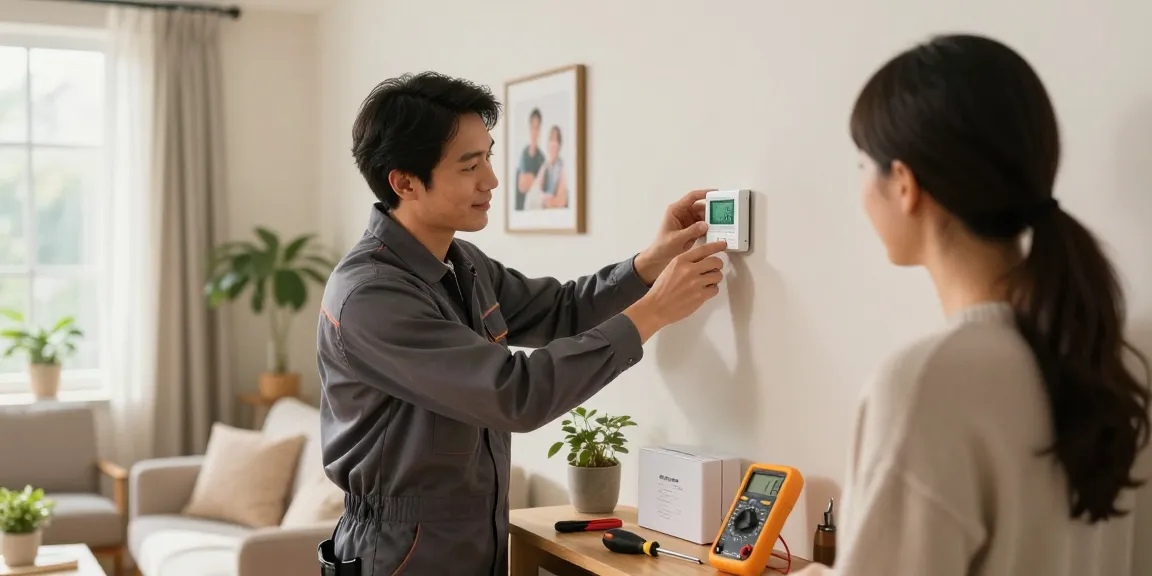
During a professional thermostat replacement, expect the technician to assess your existing system, suggest compatible products, and ensure proper installation. They will typically complete the installation within 30 to 60 minutes, providing valuable guidance on the features and advantages of your new thermostat.
DIY vs. Professional Installation: Pros and Cons
While some homeowners may consider a DIY thermostat installation to save costs, it can have drawbacks. Professional installations guarantee proper setup and avoid potential errors that could lead to energy inefficiencies or equipment damage. Weighing these factors is essential when deciding how to proceed.
Cost Factors and Budgeting for Replacement
The cost of thermostat replacement can vary widely, ranging from $50 for basic models to upwards of $600 for advanced smart options. When budgeting, consider the installation fee, the thermostat’s features, and long-term savings on energy bills.
Future Trends in Thermostat Technology for 2026
Innovations in Smart Thermostat Features
The next few years are expected to bring exciting advancements in thermostat technology. Features such as advanced machine learning, enhanced connectivity, and improved energy reporting will likely enhance user experiences and efficiency.
Energy Savings and Environmental Impact
With growing concerns over climate change, manufacturers are focusing on creating energy-efficient models that reduce overall consumption. Smart thermostats will increasingly play a vital role in helping homeowners lower their carbon footprint while saving on utility bills.
Expert Insights on Home Automation Integration
As smart homes become more prevalent, the integration of thermostats into broader home automation systems will continue to rise. Expect to see thermostats that can communicate with other smart devices, enhancing overall home efficiency and comfort.
How much does thermostat replacement cost?
The cost for replacing a thermostat can range significantly based on the type and features of the thermostat chosen, installation complexity, and local labor rates. On average, homeowners should budget between $100 to $500 for both the thermostat and installation.
Can smart thermostats really save on energy bills?
Yes, smart thermostats can save homeowners 15% to 20% on heating and cooling costs by optimizing energy use based on occupancy and preferences. Properly programming the thermostat is essential to realizing these savings.
What should I do if my thermostat is unresponsive?
If your thermostat is unresponsive, begin by checking the batteries and ensuring the device is receiving power. If these basic troubleshooting steps do not resolve the issue, it may be time to consult an HVAC professional to diagnose and potentially replace your thermostat.
How long does it take to install a new thermostat?
Typically, a professional thermostat installation takes between 30 and 60 minutes. This timeframe includes the removal of the old unit, setup of the new thermostat, and testing the system to ensure everything operates as intended.
Can I install a smart thermostat myself?
While it’s possible for some homeowners to install smart thermostats themselves, it is advisable to enlist a professional, especially if there are complications with wiring or if system compatibility is uncertain. Proper installation ensures optimal performance and reduces the risk of issues arising.