
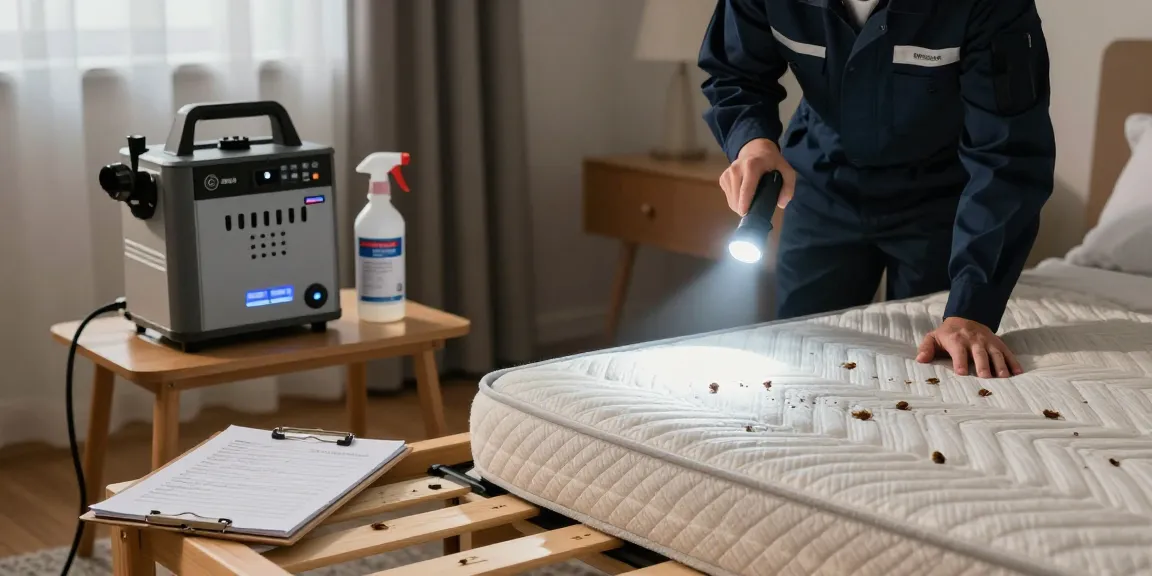
Understanding Bed Bug Treatment Options
Bed bugs are increasingly becoming a common nuisance, causing distress and discomfort for countless households and businesses. Understanding the treatments available is crucial for effective eradication. Whether you’re facing a mild annoyance or a severe infestation, knowing about options like chemical treatments or innovative heat treatments can profoundly influence your experience. When exploring options, bed bug treatment services can provide comprehensive insights tailored to your unique situation.
What is Bed Bug Treatment?
Bed bug treatment refers to the various methods employed to eliminate bed bugs from an environment. These treatments may include the use of chemical insecticides, heat application, or a combination of both. The primary goal is to eradicate the infestation, minimize the risk of bites, and prevent a recurrence by targeting every life stage of the bed bug.
Types of Bed Bug Treatments Available
There are several treatment options available for bed bugs, each with its advantages and disadvantages:
- Chemical Treatments: These involve using various pesticides that target bed bugs directly. While effective, these often require more preparation and have a residual effect, lasting for several weeks.
- Heat Treatments: This method uses high temperatures to kill bed bugs. It is highly effective, as it eliminates bugs in all life stages, including eggs. Heat treatment is eco-friendly and can relieve allergies caused by dust mites and other allergens.
- Fumigation: An extreme method usually reserved for serious infestations, fumigation entails sealing the home and introducing a gas that destroys all pests. It’s highly effective but also expensive and requires extensive preparation.
- Steam Treatments: Using steam to clean infested areas can be very effective, especially when combined with other treatments. The high temperatures kill bed bugs on contact.
- DIY Solutions: Some homeowners resort to do-it-yourself remedies, such as essential oils or over-the-counter insecticides. While these may help with minor issues, they often lack the efficacy needed to eliminate an infestation.
Heat Treatment vs. Chemical Treatment
When it comes to effectiveness, heat treatment often outperforms chemical solutions. Heat treatments reach temperatures that are lethal to bed bugs, including their eggs, killing them quickly and leaving no toxic residue. In contrast, chemical treatments may take longer to work and require precise application, ensuring the product reaches every nook and cranny where bed bugs may be hiding.
Identifying Bed Bug Infestations
Recognizing the signs of a bed bug infestation is critical to addressing the problem before it escalates. Understanding the typical indicators can help you act swiftly and effectively.
Common Signs of Bed Bug Presence
Look out for these common signs that might indicate bed bugs are present in your environment:
- Bites on the Skin: These are often red, itchy welts typically arranged in clusters or lines.
- Blood Stains: Small crimson spots on your sheets may result from bed bugs being crushed after feeding.
- Dark Spots: These may appear on mattresses, bedding, or furniture, which are bed bug droppings.
- Cast Skins: Bed bugs shed their exoskeletons during growth, and finding these can be a clear sign of their presence.
How to Inspect Your Home for Bed Bugs
Inspecting your home is a simple yet effective way to determine whether you have a bed bug problem. Follow these steps:
- Check your mattress seams, bed frames, and headboards.
- Examine furniture, especially upholstered pieces.
- Look behind baseboards and in wall cracks.
- Inspect your luggage and clothing after traveling.
Frequent Hiding Spots for Bed Bugs
Bed bugs typically reside close to their food source, which means they’re often found in certain areas:
- Underneath mattresses and inside box springs
- In cracks and crevices of bed frames and headboards
- Behind wallpaper or within wall sockets
- In upholstered furniture and carpeting
- In the seams of luggage and personal belongings
Choosing the Right Exterminator
Finding a qualified exterminator is critical for successful bed bug elimination. Not all exterminators specialize in bed bug treatment, so it’s essential to do your research.
Questions to Ask Before Hiring
Before selecting an extermination service, consider asking the following questions:
- What experience do you have with bed bug infestations?
- What treatment methods do you use?
- Do you offer guarantees or follow-up services?
- How do you ensure safety for my family and pets?
Reading Reviews and Testimonials
Customer feedback can provide insight into the exterminator’s effectiveness. Look for reviews on multiple platforms and pay attention to any recurring themes regarding the service.
Understanding Service Guarantees
A reputable exterminator should stand by their work, offering guarantees for their services. This might include follow-up visits or a no-charge re-treatment if the pests return within a specified period.
Preparing for Treatment
Proper preparation can significantly enhance the effectiveness of bed bug treatments. Here’s how to get ready for extermination.
How to Prepare Your Home for Extermination
Preparation varies based on the treatment method chosen, but generally involves:
- Removing clutter to allow easier access for the exterminator.
- Washing and drying all bed linens and clothing at high temperatures.
- Vacuuming carpets and upholstery meticulously.
- Moving furniture away from walls, if required.
Avoiding Common Preparation Mistakes
Many homeowners overlook vital steps in the preparation process. Ensure you:
- Follow the exterminator’s specific instructions.
- Do not relocate items from infested areas to uninfested areas.
- Do not skip cleaning your belongings, as this can hinder the process.
Creating a Treatment Schedule That Works
Coordinate with your exterminator to create a schedule that minimizes disruption to your daily life while ensuring effective treatment.
Post-Treatment Care and Prevention
After treatment, it’s crucial to monitor the situation to ensure that bed bugs don’t return. Here’s what to do.
Signs of Successful Extermination
Look for the following indicators that treatment was successful:
- Absence of bites over a few weeks.
- No new blood spots or fecal stains on bedding.
- Increased comfort and peace of mind.
Preventing Future Infestations
Preventing a return infestation involves several strategies:
- Regularly inspect and clean your home.
- Be cautious when traveling, inspecting luggage and clothing.
- Seal any cracks or crevices in your walls to limit hiding spots.
Effective Monitoring Techniques After Treatment
Employing monitoring techniques after treatment can help catch an infestation early:
- Use bed bug interceptors under bedposts.
- Remain vigilant for signs of bites or new stains.
- Regularly maintain cleanliness in your living environment.
What to Do if Bed Bugs Return?
If you suspect bed bugs have returned, act quickly. Contact your exterminator immediately and be prepared to have your home re-inspected. Early intervention is critical in controlling a re-infestation.
How to Identify a Re-Infestation?
Be on the lookout for new bites, blood stains, and the sight of live bed bugs or their skins. If you observe any of these signs, it’s time to seek professional help.
Are DIY Treatments Effective?
While DIY treatments may offer temporary relief, they often fail to address the root of the infestation. Professional services are recommended for comprehensive eradication.