Overview of the Everest Base Camp Trek
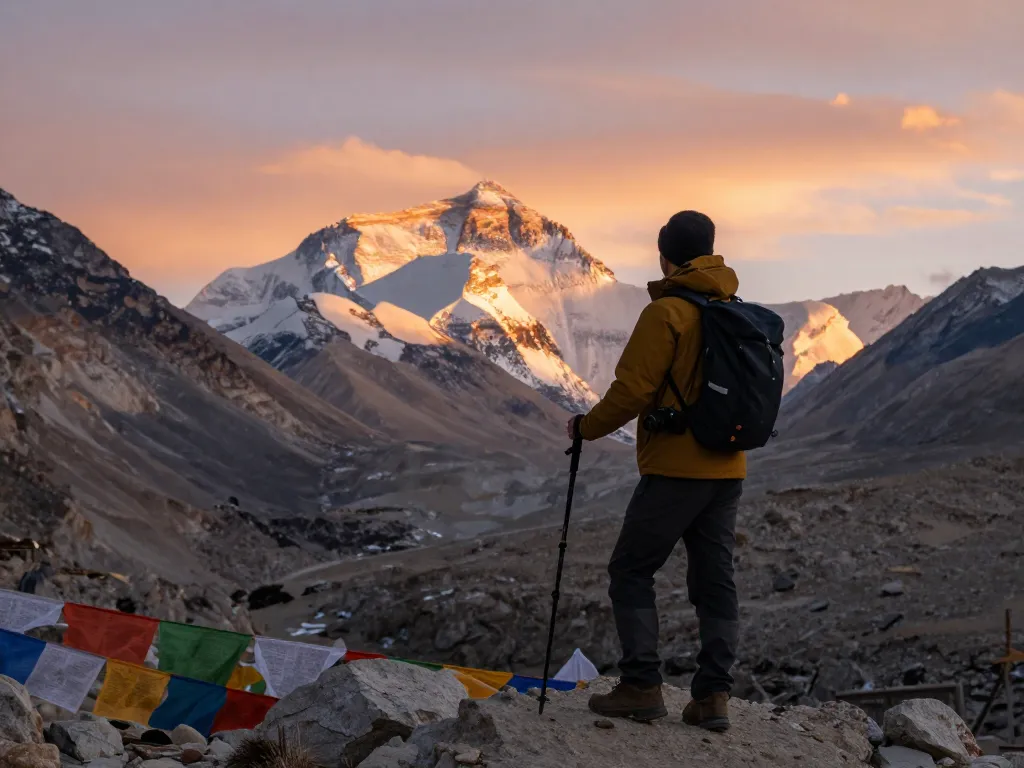
The Everest Base Camp Trek (EBC Trek) is one of the most iconic trekking routes globally, attracting adventurers and nature enthusiasts from around the world. This 14-day trek provides an unforgettable experience, taking trekkers through breathtaking landscapes, diverse cultures, and the majestic scenery of the Himalayas. With an elevation that reaches approximately 5,364 meters (17,598 feet), the trek offers unparalleled views of numerous towering peaks, including the mighty Mt. Everest itself. If you’re considering embarking on this extraordinary journey, Everest Base Camp remains a top choice for your expedition.
What is the Everest Base Camp Trek?
The Everest Base Camp Trek is a well-established trekking route that leads to the base camp of the highest mountain in the world, Mount Everest. It typically begins with a scenic flight from Kathmandu to Lukla and descends through charming Sherpa villages, lush forests, and glacial rivers. The route is known for its stunning vistas and diverse wildlife, making it a journey not only about the destination but also about the adventure of reaching it. Along the trail, trekkers will encounter various challenges, including varying elevations and weather conditions, which require careful planning and preparation.
Why Choose the Everest Base Camp Trek in 2026?
The year 2026 promises to be an exciting time to embark on the Everest Base Camp Trek. Not only are the trails well-maintained and accessible, but the trekking industry in Nepal has also evolved to offer enhanced services and safety standards. The trek presents an opportunity to experience the natural beauty of Nepal while immersing yourself in the rich culture of the Sherpa people. With growing interest in sustainable tourism, trekking to EBC can also contribute positively to local communities, as many companies focus on responsible travel practices.
What to Expect on the Trek
Trekking to Everest Base Camp involves a diverse range of experiences. Expect to walk for about 5 to 8 hours daily while gaining altitude. Along the way, you will enjoy spectacular views of towering peaks, cross suspension bridges, and explore several traditional villages. Trekkers can also experience the unique culture of the Sherpas, visit ancient monasteries, and witness the vibrant flora and fauna of Sagarmatha National Park. The EBC trek also includes acclimatization days, which are vital for preventing altitude sickness.
Planning Your Everest Base Camp Journey
Planning your Everest Base Camp trek requires thorough preparation, both mentally and physically. From understanding when to go to knowing what gear to pack, proper planning is essential for a successful trek.
When is the Best Time to Trek to Everest Base Camp?
The best times to trek to Everest Base Camp are during the spring (March to May) and autumn (September to November). These seasons typically feature more stable weather conditions, allowing for clearer skies and more pleasant trekking temperatures. Spring hosts blooming rhododendrons, while autumn showcases stunning fall foliage. Conversely, the monsoon season (June to August) is often characterized by heavy rainfall, which can make trekking conditions challenging and less enjoyable. Winter treks are possible but require extra preparation due to extreme cold and potential route closures.
Essential Gear and Packing List for EBC
Having the right gear is crucial for a successful trek. Your packing list should include:
- Clothing: Layered clothing including thermal inner layers, a down jacket, a waterproof outer layer, trekking pants, and appropriate accessories like gloves and hats.
- Footwear: Sturdy, waterproof trekking boots that provide ankle support.
- Sleeping Gear: A good sleeping bag rated for low temperatures and a sleeping mat.
- Personal Items: First aid kits, medications, water purification tablets, and additional personal hygiene items.
- Tech Gear: A power bank, camera, and charging devices, with specific adapters.
As each trekker’s needs may vary, ensure to adapt your list to fit your personal style and preferences.
Physical Preparation and Training Tips
Preparing physically for the Everest Base Camp trek is crucial for your success and well-being. Begin a training regimen at least two months before your trek. Incorporate cardiovascular exercises, strength training, and hiking to build endurance. Aim to engage in activities such as:
- Long-distance hikes with a backpack to simulate trekking conditions.
- Stair climbing to build strength in your legs.
- Cardio workouts, such as running or cycling, for overall stamina.
Additionally, practice walking at a slow pace to prepare for the altitude and uneven terrain.
Itinerary Breakdown for the 14-Day Trek
The itinerary for the Everest Base Camp Trek is designed to provide the right balance of trekking, acclimatization, and exploration. Here’s a day-by-day overview of the journey to help you visualize your adventure:
Day-by-Day Overview of the Trek
- Day 1: Arrival in Kathmandu at Tribhuvan International Airport. Transfer to your hotel.
- Day 2: Fly to Lukla (2,840 m) and trek to Phakding (2,610 m).
- Day 3: Trek from Phakding to Namche Bazaar (3,440 m).
- Day 4: Acclimatization day at Namche. Hike to Hotel Everest View (3,880 m) and back.
- Day 5: Trek to Tengboche (3,860 m) and visit the Tengboche Monastery.
- Day 6: Trek to Dingboche (4,410 m).
- Day 7: Acclimatization day at Dingboche with a hike to Nangkartsang Peak (5,083 m).
- Day 8: Trek to Lobuche (4,910 m).
- Day 9: Trek to Everest Base Camp (5,364 m) and return to Gorak Shep (5,190 m).
- Day 10: Early morning hike to Kala Patthar (5,555 m), then descend to Pheriche (4,240 m).
- Day 11: Trek back to Namche Bazaar.
- Day 12: Trek to Lukla.
- Day 13: Fly back to Kathmandu, with leisure time for exploration.
- Day 14: Departure from Kathmandu.
Key Highlights of Each Trekking Day
Each day of the trek includes unique highlights, from breathtaking views of the Himalayas and cultural experiences in local villages to moments of personal triumph upon reaching significant altitudes. The daily itineraries also include opportunities to acclimatize, which is crucial for your safety and enjoyment during the hike.
Acclimatization Days and Their Importance
Acclimatization days are strategically placed within the itinerary to allow your body to adjust to the thinning air at higher elevations. On these days, you engage in short hikes to nearby peaks, enabling a gradual increase in altitude while minimizing the risk of altitude sickness. The acclimatization process significantly contributes to a more enjoyable trekking experience.
Costs and Inclusions for the Everest Base Camp Trek
Understanding the costs associated with the Everest Base Camp trek is vital for effective budgeting. While prices can vary among different operators, Ace the Himalaya offers comprehensive packages that include various essential elements for the trek.
Understanding the Total Cost of the EBC Trek
The total cost for the Everest Base Camp trek varies depending on several factors, including the services provided by the trekking company, group size, and additional options chosen, such as luxury accommodations or helicopter rides. As of 2026, the standard trek typically costs around $1,600 per person, which includes accommodation, meals, permits, and guided services.
What is Included in Your Tour Package?
Key inclusions in your EBC trek package often encompass:
- Accommodation in Kathmandu and teahouses during the trek.
- All meals during the trek (breakfast, lunch, and dinner).
- Qualified guides and porters to assist you along the trail.
- Necessary permits for trekking, including the TIMS and Sagarmatha National Park permits.
- Domestic flights or transport to and from Lukla.
Additional Expenses and Budgeting Tips
While your package covers many essentials, it’s wise to prepare for additional expenses during your trek. This can include costs for snacks, beverages, tips for your guides and porters, as well as any optional activities you choose to engage in. A rough estimate of additional funds needed per day is around $15 to $20.
Traveler Insights and Testimonials
Learning from others’ experiences can provide valuable perspectives as you prepare for your trek. Reviews from previous trekkers often highlight the stunning scenery, the challenge of the altitude, and the joy of reaching Everest Base Camp.
Getting Real Experiences from Previous Trekkers
Travelers often share stories of personal growth, overcoming challenges, and the camaraderie developed with fellow trekkers and guides. These testimonials emphasize the transformative nature of the trek, making it not only a physical journey but also an emotional one.
Common Questions and Concerns About the Trek
Addressing common questions surrounding the EBC trek, such as safety concerns, preparation needed for altitude sickness, and advice for first-time trekkers, is essential for fostering confidence in prospective adventurers.
How to Choose the Right Trekking Company
Selecting a reputable trekking company is crucial for ensuring a safe and enjoyable experience. Look for factors such as positive reviews, experienced guides, and comprehensive service offerings to gauge the quality of the trekking company.
What is the elevation of Everest Base Camp?
Everest Base Camp sits at an elevation of 5,364 meters (17,598 feet). This location serves as the main starting point for climbers attempting to summit Mount Everest and is a popular destination for trekkers aiming to experience the breathtaking views of the world’s highest peak.
How can I prevent altitude sickness during the trek?
Preventing altitude sickness is a major concern for trekkers. Key strategies include ascending gradually, staying hydrated, and adhering to recommended acclimatization protocols. Awareness of symptoms and readiness to descend if necessary are equally important for safety.
What are the best tips for first-time trekkers?
First-time trekkers should focus on physical preparation, ensure they have the right gear, and maintain a positive mindset throughout the journey. Additionally, learning about the trek’s challenges can help manage expectations and enhance your adventure experience.
Can I trek to Everest Base Camp alone?
While it is possible to trek to Everest Base Camp without a guide, it is recommended to join a group or hire a local guide to enhance safety and enjoyment. Guides provide invaluable support and insights along the journey.
What wildlife can I expect to see along the trek?
The Everest region is home to various wildlife species, including the elusive snow leopard, Himalayan tahr, and diverse bird species. The stunning natural environment offers a unique opportunity to witness these animals in their natural habitats.