
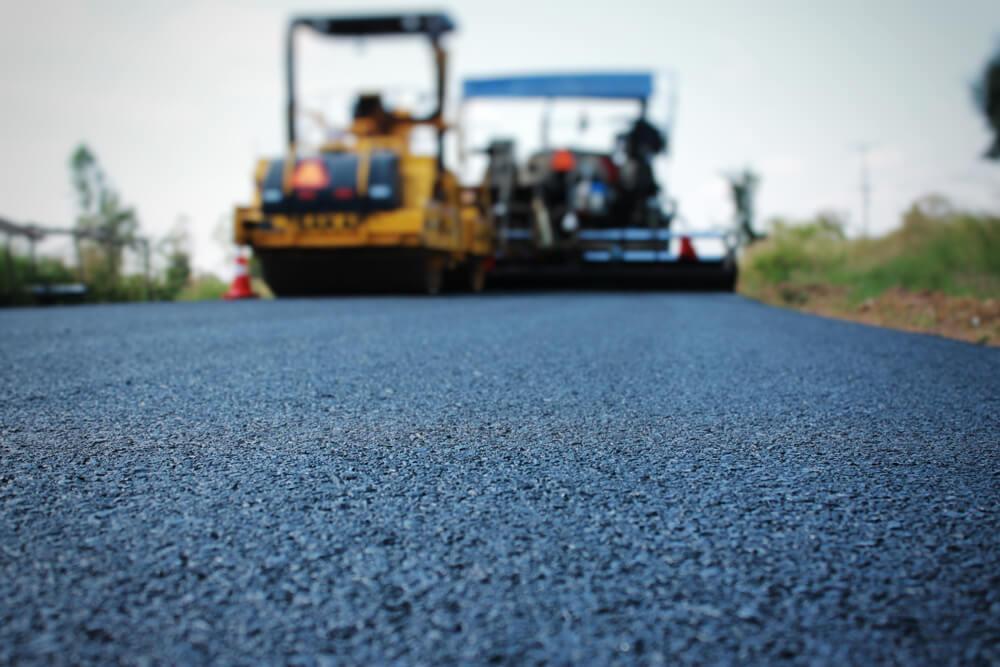
The conversation around infrastructure is shifting. In Utah, where rapid growth, climate extremes, and fiscal responsibility are constant considerations, the materials we choose for our roads, parking lots, and driveways carry significant weight. A new standard is emerging, moving beyond traditional methods to embrace solutions that are durable, cost-effective, and environmentally responsible. The comprehensive benefits of incorporating sustainable green asphalt services represent this new paradigm.
Sustainable asphalt is not a single product but a holistic approach. It involves using recycled materials, employing energy-efficient production and application techniques, and designing pavements for long-term performance and reduced environmental impact. For Utah’s municipalities, commercial developers, and homeowners, this shift offers a compelling array of advantages that address both immediate project needs and long-term community goals.
This article will detail the tangible benefits of this approach, from direct financial savings and enhanced performance to meaningful contributions to environmental stewardship. Understanding these benefits clarifies why sustainable practices are becoming integral to modern construction and maintenance, especially for those seeking reliable asphalt services Utah.
Economic Advantages: Beyond the Initial Quote
The perceived higher upfront cost of sustainable practices often deters decision-makers. However, a lifecycle cost analysis reveals a different story. Sustainable asphalt delivers substantial financial benefits over the lifespan of a pavement.
Reduced Material and Disposal Costs
A core tenet of green asphalt is the use of Recycled Asphalt Pavement (RAP) and Recycled Asphalt Shingles (RAS). These materials replace a significant portion of virgin aggregate and binder—the most expensive components. This directly lowers material acquisition costs. Furthermore, by reusing existing materials on-site or from local sources, projects drastically cut down on landfill tipping fees and the costs associated with hauling away old material and importing new aggregate.
Longevity and Lower Maintenance Expenditure
Sustainable mixes are engineered for performance. Warm-mix asphalt technologies, which allow production and laying at lower temperatures, can improve compaction and density. A denser, more properly compacted pavement is more resistant to rutting, cracking, and moisture damage. This translates to a longer service life before major rehabilitation is needed. The result is a stretched maintenance budget, with fewer frequent repairs and a delayed timeline for costly overlays or reconstruction.
Performance and Durability in Utah’s Climate
Utah’s environment poses unique challenges: scorching summer heat, freezing winter temperatures, freeze-thaw cycles, and intense UV exposure. Sustainable asphalt technologies are specifically designed to meet these demands.
High-RAP mixes, when properly engineered, have shown equal or superior performance to virgin mixes in terms of stiffness and resistance to fatigue cracking. Modern polymer-modified binders used in many sustainable mixes enhance flexibility in cold weather to prevent brittleness and increase resistance to deformation in summer heat. For high-traffic areas like commercial lots or municipal roads, this means a smoother, safer driving surface that withstands heavy use and seasonal stress with fewer potholes and surface defects.
The precision of modern sustainable asphalt paving Utah techniques also contributes to durability. Improved workability from warm-mix technologies allows crews to achieve optimal compaction even in cooler weather or over shorter paving windows, ensuring the installed pavement meets its design specifications from day one.
Environmental Stewardship and Regulatory Alignment
The environmental benefits provide a powerful secondary value proposition that aligns with broader corporate sustainability goals and increasingly stringent regulations.
Conservation of Natural Resources and Lower Emissions
Every ton of RAP used conserves approximately one ton of virgin aggregate and a barrel of asphalt binder (crude oil). This reduces quarrying and mining activities. Furthermore, warm-mix asphalt production can lower plant fuel consumption by 20-35%, directly reducing greenhouse gas emissions, particulate matter, and volatile organic compound (VOC) emissions at the production site. This contributes to better local air quality, a key concern in Utah’s valleys.
Urban Heat Island Mitigation and Stormwater Management
Traditional dark pavements contribute to the urban heat island effect by absorbing and retaining solar radiation. While still effective, sustainable asphalt projects can incorporate lighter-colored surface treatments or, more innovatively, permeable pavement designs. Permeable asphalt allows stormwater to infiltrate through the surface, reducing runoff, filtering pollutants, and recharging groundwater. This is a significant advantage for projects needing to meet local stormwater management requirements.
Social and Community Benefits
The advantages of sustainable asphalt extend into the social fabric of communities, enhancing quality of life and public perception.
Projects that use recycled materials and lower-emission production methods typically generate less truck traffic for material hauling, leading to reduced noise, dust, and congestion in surrounding neighborhoods during construction. Quieter, faster-paving techniques also minimize disruption. For businesses, this means a quicker return to normal operations for parking lots; for municipalities, it means less public inconvenience during road work.
Furthermore, choosing sustainable infrastructure is a visible commitment to responsible development. It demonstrates to residents, customers, and stakeholders that an organization or governing body is forward-thinking and accountable. This can enhance public trust and align projects with community values centered on conservation and smart growth.
Implementation and Partner Selection
Realizing these comprehensive benefits hinges on proper implementation. It begins with planning. During the design phase, engineers should specify performance-based mix designs that allow for the incorporation of recycled materials while meeting structural requirements. This requires close collaboration with a knowledgeable paving contractor.
Selecting the right partner is critical. Look for contractors with verifiable experience in producing and placing sustainable asphalt mixes. They should have established relationships with local asphalt plants that are equipped to handle RAP and employ warm-mix technologies. Ask for case studies or project references where they have successfully used high-recycled content mixes. A qualified partner will not just offer a green alternative but will guide you through the cost-benefit analysis and specification process to ensure optimal results for your specific project.
Frequently Asked Questions
What percentage of recycled materials can be used in sustainable asphalt?
Modern engineering allows for high percentages. It’s common for surface mixes to contain 20-30% RAP, with base layers often using 40-50% or more. The exact percentage depends on the source and quality of the recycled material, the project requirements, and the plant’s technical capabilities. A professional mix design is essential.
Is sustainable asphalt as durable as traditional asphalt?
When properly designed and installed, yes, and often more so. High-RAP mixes can be engineered for enhanced stiffness and resistance to rutting. The improved compaction achieved with warm-mix technologies also contributes to long-term density and durability. Performance is a primary goal of sustainable design, not a secondary consideration.
Are there financial incentives for using sustainable asphalt?
While direct cash incentives are not always available, the lifecycle cost savings are the primary financial benefit. Some municipalities may offer streamlined permitting or density bonuses for projects exceeding certain sustainability benchmarks. Additionally, using recycled materials can make your project eligible for LEED or other green building certification points.
Does warm-mix asphalt perform well in Utah’s cold weather?
Yes, it can be advantageous. Warm-mix asphalt remains more workable at lower temperatures than traditional hot-mix, allowing for a longer paving season and better compaction when paving in cooler fall or early spring conditions. This can lead to a higher-quality installation.
How does sustainable paving impact project timelines?
It often accelerates them. Warm-mix asphalt can be hauled over longer distances and placed more rapidly due to its improved workability. Furthermore, using recycled materials on-site can eliminate steps in the material removal and replacement process, shortening the overall project schedule.
Can sustainable techniques be used for small projects like driveways?
Absolutely. The principles apply at any scale. Many asphalt plants now routinely produce mixes with recycled content for all their orders. For a residential driveway, you can specifically request a mix containing RAP. The environmental benefits and performance advantages are the same, just on a smaller scale.
Conclusion
The decision to incorporate sustainable green asphalt services is a multifaceted investment. It moves beyond a simple line item for pavement installation to a strategic choice that delivers measurable returns across economic, performance, environmental, and social dimensions. For Utah, with its specific climatic challenges and growth pressures, this approach offers a path to building resilient infrastructure that is fiscally sound and environmentally conscious.
The comprehensive benefits are clear: reduced long-term costs, enhanced durability against the elements, conservation of natural resources, and a positive community impact. As material science and construction techniques continue to advance, these sustainable practices are set to become the standard, not the alternative. The question for project owners and managers is no longer if they should consider sustainable asphalt, but how quickly they can integrate its principles into their next project to start reaping its wide-ranging rewards.