
Understanding the Basics of Mini Split 18000 BTU Systems
Mini split systems have become a popular choice for many homeowners looking for efficient ways to heat and cool their spaces. Among these, the mini split 18000 btu units stand out due to their versatility and power, making them ideal for medium to large rooms. In this article, we will delve into what an 18,000 BTU mini split system is, how it works, and the key features you should look for when choosing one.
What is an 18,000 BTU mini split system?
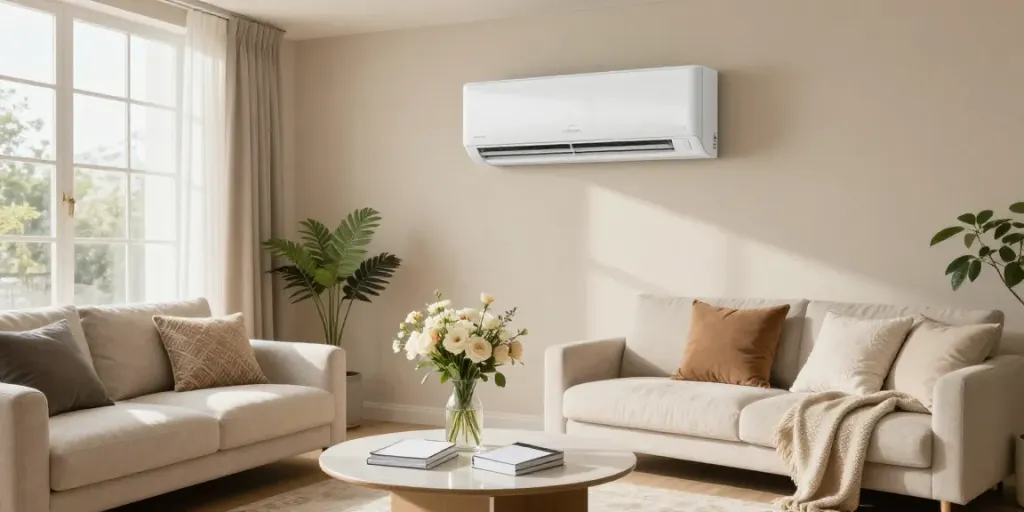
An 18,000 BTU mini split system is a type of ductless air conditioning and heating system capable of delivering 18,000 British Thermal Units (BTUs) of cooling or heating power per hour. This level of output is suitable for spaces ranging from approximately 550 to 1,000 square feet, depending on factors such as insulation and sunlight exposure. Mini splits consist of two main components: an indoor unit that distributes conditioned air and an outdoor unit that expels heat outside. This design allows for flexible installation options without the need for ductwork, making it an effective solution for homes without existing HVAC systems or for rooms that are difficult to cool or heat with traditional methods.
How does the mini split system work?
The operation of a mini split system relies on the principles of heat exchange. In cooling mode, the indoor unit absorbs heat from the room air and transfers it to the refrigerant circulating within the system. The refrigerant then moves to the outdoor unit, where it releases the absorbed heat into the outside air. In heating mode, the process is reversed: the outdoor unit extracts heat from the outside air and brings it indoors. This ability to both cool and heat makes mini split systems particularly advantageous for year-round climate control.
Key features to look for in a mini split 18000 BTU unit
- Multi-zone capability: Some mini split systems allow for multiple indoor units to be connected to a single outdoor unit, enabling personalized climate control in various rooms.
- Inverter technology: This feature enhances energy efficiency by allowing the compressor to adjust its speed based on the desired temperature, resulting in less energy consumption and more consistent comfort.
- Smart technology: Many modern units come equipped with Wi-Fi connectivity, enabling remote control via smartphone apps, voice commands, or smart home systems.
- High SEER ratings: A Seasonal Energy Efficiency Ratio (SEER) rating above 14 or 15 indicates a highly efficient unit, which can lead to significant energy savings over time.
Benefits of Installing a Mini Split 18000 BTU
Investing in a mini split 18000 BTU system offers numerous advantages that cater to the modern homeowner's need for efficiency, comfort, and flexibility.
Energy efficiency and cost savings
One of the most compelling benefits of a mini split 18000 BTU system is its energy efficiency. Traditional HVAC systems often suffer from energy loss due to ductwork, resulting in higher utility bills. In contrast, mini splits are designed to operate with minimal energy waste. By utilizing inverter technology, these systems adjust to the specific cooling or heating demands of your space, ensuring that energy is used effectively. Homeowners can expect significant annual savings on their energy bills, which can be especially beneficial in regions with extreme weather conditions.
Improved indoor air quality
Indoor air quality is crucial for maintaining a healthy living environment. Mini split systems not only provide climate control but also offer advanced filtration systems that help remove dust, allergens, and pollutants from the air. Many units come with washable filters that can be easily maintained, ensuring good air quality without additional costs associated with whole-home filtration systems.
Flexible installation options for every space
Mini split systems are particularly advantageous for homeowners seeking flexible installation solutions. The lack of ductwork means they can be installed in a variety of locations, such as garages, sunrooms, or converted attics. The indoor units can be mounted on walls, ceilings, or even hidden in ceilings, allowing homeowners to choose the most aesthetically pleasing and functional options for their spaces.
Choosing the Right Mini Split 18000 BTU for Your Home
With a variety of options available, selecting the right mini split system requires careful consideration of several factors specific to your home and needs.
Assessing the size and layout of your space
Before purchasing a mini split 18000 BTU unit, it's essential to evaluate the size and layout of the area you wish to cool or heat. Factors such as ceiling height, windows, and insulation play significant roles in determining the appropriate unit for your home. A professional HVAC technician can perform a load calculation to help you select the best system for your specific needs.
Understanding maintenance needs and costs
Regular maintenance is vital for ensuring the longevity and efficiency of your mini split system. Homeowners should be prepared for periodic tasks such as cleaning or replacing filters and scheduling annual professional inspections. Understanding these maintenance needs, along with the potential costs involved, will help you budget effectively and keep your system running optimally.
Comparing popular brands and models
When choosing a mini split 18000 BTU system, it’s prudent to compare various brands and models. Factors such as warranty, customer service, and user reviews can provide insight into the reliability and performance of the systems you are considering. Brands like Mitsubishi, Daikin, and LG have established reputations for quality and efficiency; however, emerging brands may offer competitive features at lower prices.
Installation Best Practices for Mini Split 18000 BTU Systems
Installing a mini split system can be a straightforward process, but there are best practices that homeowners should follow to ensure optimal performance and efficiency.
Hiring a professional vs. DIY installation
While some technically inclined homeowners may consider a DIY installation, hiring a professional is often recommended, especially for mini split systems. Licensed technicians have the expertise to ensure proper electrical connections, refrigerant levels, and installation of the outdoor unit. Additionally, professional installation can help maintain warranty coverage and ensure compliance with local building codes.
Common installation mistakes to avoid
Common installation errors include improper placement of the indoor and outdoor units, incorrect refrigerant levels, and insufficient insulation of refrigerant lines. These mistakes can lead to inefficiency, increased energy costs, and potential system damage. Careful planning and professional assistance can mitigate these risks and lead to a successful installation.
Tips for optimal placement and performance
For the best performance, it’s crucial to install the indoor unit in a location where air can flow freely throughout the room. Avoid placing it near heat sources or in the corners of spaces where airflow is restricted. The outdoor unit should also be installed in a shaded area to promote efficient heat exchange and minimize wear due to extreme temperatures.
Future Trends in Mini Split 18000 BTU Technology
As technology continues to evolve, mini split systems are becoming more sophisticated, incorporating innovations that enhance efficiency, comfort, and user experience.
Emerging features and smart technology
Smart home integration is becoming increasingly common in mini split systems. New technologies allow for features such as voice control, custom scheduling, and energy usage tracking via smartphone applications. These advancements not only improve convenience but also help homeowners monitor and manage their energy consumption effectively.
Advancements in energy efficiency standards
In response to growing concerns about energy consumption and environmental impact, manufacturers are focusing on improving the energy efficiency of mini split systems. Future models are expected to feature even higher SEER ratings and eco-friendly refrigerants, aligning with stricter regulations and consumer demand for sustainable solutions.
Market predictions for 2026 and beyond
The mini split market is predicted to continue growing due to increasing awareness of energy-efficient solutions and rising consumer preference for ductless systems. By 2026, experts anticipate a broader range of models with enhanced features, catering to diverse consumer needs and preferences, while the competition among manufacturers will drive innovation and affordability.
How many sq ft will an 18,000 BTU mini split cool?
Typically, an 18,000 BTU mini split can comfortably cool or heat areas ranging from 550 to 1,000 square feet, depending on factors like room height, insulation, and external climate. This makes it ideal for larger bedrooms, living rooms, and open floor plans.
Should I leave my mini split on all the time in winter?
While it's generally safe to leave a mini split unit running during winter, doing so may not be the most energy-efficient choice. Instead, consider using it as needed or setting a schedule to optimize energy usage. Many modern units have energy-saving modes that reduce power consumption while maintaining comfort.
Who makes the best 18,000 BTU mini split?
Several manufacturers are renowned for their high-quality mini split systems, including Mitsubishi, Daikin, and LG. Each brand has its strengths, and the "best" choice often depends on your specific needs, preferences, and budget.
How much does it cost to install an 18,000 BTU mini split AC system?
The installation cost of an 18,000 BTU mini split system can vary significantly based on factors like location, labor costs, and any additional features. On average, homeowners can expect to spend between $3,000 to $5,000, including both equipment and installation. It’s beneficial to obtain multiple quotes from licensed contractors to ensure competitive pricing.