
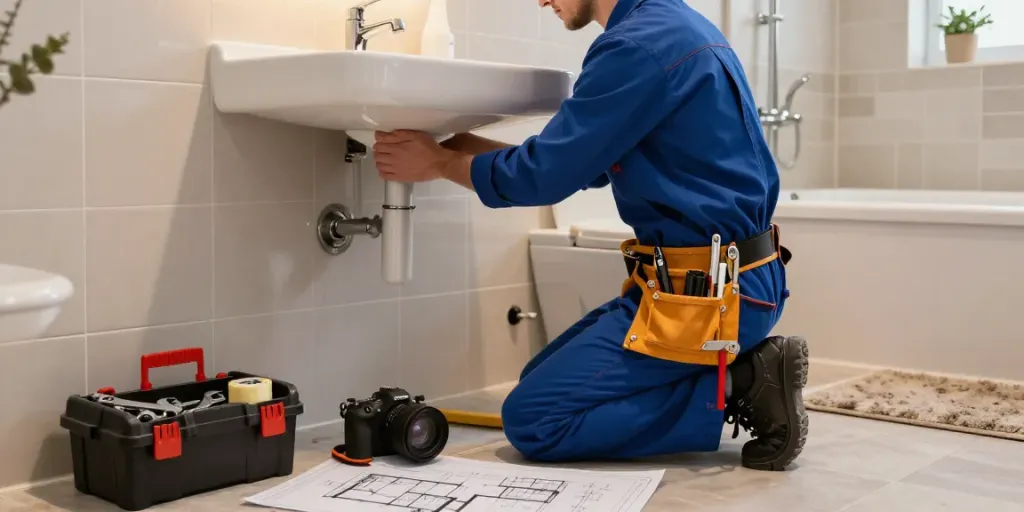
Understanding the Cost of Plumbing Services in London
When it comes to maintaining your home, plumbing is one of the most critical aspects that demand attention. The cost of plumbing services in London can vary widely based on numerous factors. Understanding these costs can help you budget effectively and avoid unexpected expenses. When exploring options, plumber london provides comprehensive insights into what you might expect in today’s market.
Average Prices for Common Plumbing Tasks
The average cost for plumbing services in London generally ranges between £50 to £100 per hour, depending on the complexity of the task. Here’s a breakdown of common plumbing tasks and their average costs:
- Fixing a leaky tap: £60 - £90
- Unblocking a drain: £80 - £120
- Installing a new toilet: £150 - £300
- Comprehensive boiler servicing: £100 - £200
These costs can fluctuate based on the location within London, the urgency of the service, and the professional experience of the plumber.
Factors Affecting Plumber Rates in London
Several factors can influence plumbing costs in London:
- Time of Service: Emergency calls, especially during weekends or holidays, can attract higher rates.
- Type of Work: Complex installations like full bathroom refurbishments will cost significantly more than simple repairs.
- Materials Needed: The quality and type of plumbing materials required can lead to additional costs.
- Experience Level: A seasoned plumber may charge more, but often brings a guarantee of quality service.
How to Get Accurate Plumbing Estimates
To ensure you receive a fair estimate:
- Always ask for a detailed breakdown of costs before any work begins.
- Consider getting multiple quotes from different providers.
- Check if the quoted price includes all materials and labor.
- Inquire about call-out fees and emergency service rates.
Emergency Plumbing Services: What You Need to Know
Recognizing when to call for emergency plumbing services can save you significant money and stress. Emergency plumbing encompasses situations where water damage is imminent or where health and safety are at risk.
Identifying Plumbing Emergencies at Home
Common signs that you might need to call an emergency plumber include:
- A sudden leak or burst pipe that could cause flooding.
- Persistent clogs that lead to sewage backup.
- No hot water or heat during winter months.
- Water pooling in unusual places indicating a potential pipe burst.
Best Practices for Handling Emergencies
In the event of a plumbing emergency, follow these best practices:
- Shut off the main water supply to prevent further damage.
- Try to clear blocking materials if safe to do so.
- Document the situation with photographs for insurance purposes.
- Contact a plumbing professional immediately.
Why Timely Call for a Plumber London Matters
Timeliness can be crucial in minimizing water damage and expensive repairs. Professional plumbers are trained to handle plumbing emergencies swiftly and efficiently, often saving you money in the long run.
Choosing the Right Plumber in London
Finding a reliable plumber in London can feel overwhelming, especially with the myriad of options available. However, there are key indicators to consider that can help you make an informed decision.
Key Indicators of a Reliable Plumber
Look for these signs when searching for a trustworthy plumber:
- Licensing and Insurance: Ensure the plumber is licensed and insured to protect yourself from liability.
- Customer Reviews: Check online reviews and testimonials to gauge customer satisfaction.
- Warranties: A reputable plumber should offer warranties on their work.
- Experience: Longevity in the business often equates to reliability.
Comparing Local Plumbing Services
Take the time to compare plumbing services in your area. Look for:
- The range of services offered, from general repairs to specialized work.
- Availability of emergency services.
- Response times for service calls.
- Price competitiveness without compromising quality.
Customer Reviews and Ratings: A Trustworthy Guide
Utilizing platforms such as Trustpilot or Checkatrade can provide valuable insights. Pay attention to:
- Overall ratings and the number of reviews.
- Specific comments about punctuality and professionalism.
- Feedback regarding post-service support.
Innovations in Plumbing Technology
As the plumbing industry continues to evolve, staying updated on innovations can enhance both the service experience and the efficiency of plumbing systems.
The Rise of Smart Plumbing Solutions
Smart technology is becoming increasingly popular in home plumbing solutions, including:
- Smart Water Sensors: These devices alert homeowners to leaks before they become severe.
- Smart Thermostats: These can optimize heating costs by adjusting based on occupancy and preferences.
- Automatic Shut-off Valves: These provide added security against catastrophic leaks.
How Technology is Transforming Home Plumbing
Technology is making it easier to manage plumbing from anywhere, with apps that allow users to monitor plumbing systems remotely and control irrigation systems efficiently.
Future Trends in Plumbing: What to Expect by 2026
Looking ahead, expect to see:
- Increased adoption of eco-friendly plumbing materials.
- Advanced leak detection systems.
- Integration of IoT technology in plumbing diagnostics.
Common Plumbing Issues and How to Fix Them
Many homeowners encounter common plumbing issues that can often be resolved without professional help.
DIY Solutions for Minor Plumbing Problems
Before calling a plumber, consider these DIY fixes:
- Clogs: Use a mixture of baking soda and vinegar to break down clogs.
- Leaky Taps: Replacing washers can often resolve leaks.
- Running Toilets: Inspecting the flapper valve can usually solve the issue.
When to Call a Plumber for Help
While many issues can be handled independently, don’t hesitate to call a plumber if:
- You suspect a major leak behind walls.
- Drainage issues persist after multiple attempts to clear.
- Any plumbing issue is accompanied by sewage odors, which may indicate systemic problems.
Preventative Measures for Plumbing Maintenance
To avoid plumbing problems before they arise, consider the following preventative measures:
- Regularly inspect and replace old plumbing fixtures.
- Clear gutters and downspouts to prevent water buildup.
- Flush your water heater annually to remove sediment buildup.
What should I do in a plumbing emergency?
Shut off the main water supply, document the situation, and contact a plumbing professional immediately.
How to find the best plumber London?
Seek recommendations, check licensing and insurance, read reviews, and compare quotes to find the right plumbing service.
What are the signs of plumbing problems?
Common signs include low water pressure, slow draining sinks, discolored water, and water stains on walls or ceilings.
What are the average rates for plumbers in London?
Expect to pay between £50 to £100 per hour for most plumbing services, depending on the complexity of the work.
How can I maintain my plumbing system effectively?
Regular inspections, prompt repairs, and cleaning your plumbing fixtures can help maintain a healthy system.